Untitled-design-10

“The Intelligent Investor”

The famous investment book “The Intelligent Investor” was first published in 1949. It is widely regarded as one of the most influential books on value investing, a method in which investors search out inexpensive stocks and purchase them in the hope of making long-term gains.

The book is split into four sections:

Part I: Fundamental Concepts This section discusses the fundamentals of investment, such as the distinction between investing and speculation, the significance of analyzing a company’s financial statements, and the advantages of diversification.

Part II: Securities Evaluation Graham teaches how to analyze specific stocks and bonds in this part, including how to compute intrinsic value and margin of safety.

Part III: The Astute Investor This section focuses on successful investors’ mindsets and behaviors. Graham emphasizes the necessity of investing in discipline, patience, and emotional control, as well as avoiding common mistakes like market timing and following the crowd.

Investment Vehicles (Part IV) The last part discusses numerous investment possibilities, such as mutual funds and index funds.

Overall, “The Intelligent Investor” teaches readers how to be reasonable, disciplined, and patient investors, as well as provides timeless guidance on how to construct a successful investment portfolio.

The Book in 3 Sentences

  • “The Intelligent Investor” is a famous investment book that focuses on the value of investing.
  • The book teaches readers how to analyze specific stocks and bonds, as well as successful investors’ thinking and behavior.
  • Graham emphasizes the need for investing discipline, patience, and emotional control, and provides timeless advice on how to develop a successful investment portfolio.

Impressions

  1. The importance of value investing: The book is often credited with popularizing the concept of value investing, which involves looking for stocks that are undervalued by the market.
  2. The emphasis on discipline and emotional control: Graham stresses the importance of developing a rational, disciplined approach to investing, and avoiding the emotional ups and downs of the market.

The timeless nature of the advice: Despite being first published in 1949, many of the concepts and strategies outlined in the book remain relevant and widely used by investors today. This has helped to make “The Intelligent Investor” a classic and highly influential investment book.

How I Discovered It

There are several ways that most people discover “The Intelligent Investor” by Benjamin Graham. The book has been featured in various media outlets over the years, including interviews with successful investors who credit it with influencing their investment strategies. I ended up reading this after the strong recommendations it received online.

Who Should Read It?

“The Intelligent Investor” by Benjamin Graham is a book that can benefit a wide range of readers interested in investing and personal finance. Here are some groups of people who may find the book particularly useful:

  1. New investors: The book is a great resource for those who are new to investing and want to learn more about the fundamentals of investing.
  2. Value investors: The book is considered a classic in the field of value investing, making it a must-read for anyone interested in this investment strategy.
  3. Long-term investors: The book emphasizes the importance of a long-term, disciplined approach to investing, making it a valuable read for anyone interested in building a successful investment portfolio over time.
  4. Those interested in personal finance: Even if you’re not specifically interested in investing, the book provides valuable insights into personal finance and the importance of discipline and rational decision-making in money management.

How the Book Changed Me

After reading “The Intelligent Investor” by Benjamin Graham, I changed in several ways:

1.    Developed a better understanding of investing: The book provides a comprehensive overview of investing principles, techniques, and strategies, helping me develop a better understanding of how to invest wisely.

2.    Adopted a long-term perspective: The book emphasizes the importance of a long-term, disciplined approach to investing, encouraging me to avoid short-term thinking and focus on the big picture.

3.    Gained emotional control: By emphasizing the importance of emotional control in investing, the book helped me develop the discipline and patience needed to make rational investment decisions.

4.    Became more financially responsible: The book also provides insights into personal finance and the importance of responsible money management, helping me to make better financial decisions in all areas of my life.

My Top Quotes

  1. “The intelligent investor is a realist who sells to optimists and buys from pessimists.”
  2. “The investor’s chief problem – and even his worst enemy – is likely to be himself.”
  3. “An investment operation is one which, upon thorough analysis, promises safety of principal and an adequate return. Operations not meeting these requirements are speculative.”
  4. “The stock market is a device for transferring money from the impatient to the patient.”
  5. “The investor with a portfolio of sound stocks should expect their prices to fluctuate and should neither be concerned by sizable declines nor become excited by sizable advances.”
  6. “To achieve satisfactory investment results is easier than most people realize; to achieve superior results is harder than it looks.”
  7. “The investor who permits himself to be stampeded or unduly worried by unjustified market declines in his holdings is perversely transforming his basic advantage into a basic disadvantage.”
  8. “The investor’s chief interest lies in acquiring and holding suitable securities at suitable prices.”

Detailed Notes//Key Topics

“The Intelligent Investor” by Benjamin Graham covers a wide range of topics related to investing and personal finance. Here are some of the key topics covered in the book:

  1. Value investing: The book is considered a seminal work on value investing, a strategy that involves buying stocks that are undervalued by the market.
  2. Fundamental analysis: Graham emphasizes the importance of thorough fundamental analysis of a company’s financial statements, earnings, and assets when selecting stocks.
  3. Risk management: The book provides insights into risk management and the importance of diversification, asset allocation, and a margin of safety when investing.
  4. Emotional control: Graham stresses the importance of emotional control and avoiding herd mentality when investing, encouraging investors to make rational, disciplined decisions.
  5. Long-term investing: The book advocates for a long-term, disciplined approach to investing, emphasizing the importance of patience, discipline, and a focus on the big picture.
  6. Personal finance: The book provides insights into personal finance and the importance of living below one’s means, saving for the future, and avoiding debt.
  7. Market history: The book provides a historical perspective on the stock market and its cycles, helping investors understand the ups and downs of the market over time.
Untitled-design-11

“The Essays of Warren Buffett: Lessons for Investors and Managers”

The book “The Essays of Warren Buffett: Lessons for Investors and Managers” is a thorough collection of Buffett’s letters to Berkshire Hathaway shareholders as well as several articles he has written on management and investment strategies. These writings are collected by Lawrence A. Cunningham, who also organizes them thematically and adds commentary to help the reader comprehend

Buffett’s perspectives on value investing, his method of financial analysis, the value of shareholder communication, corporate governance, and the function of managers in successfully managing organizations are just a few of the many themes covered in the book. Through his works, Warren Buffett imparts the knowledge, insight, and lessons he has gained over the course of his prosperous career as an investor and company executive.

Readers have the chance to learn more about Buffett’s investment philosophy, his emphasis on long-term thinking, the standards he uses to evaluate firms, and his general approach to successful investing through the essays and letters in the book. With reference to Buffett’s broad experience and track record, the book seeks to provide insightful lessons and helpful advice to both investors and management.

It’s vital to highlight that Lawrence A. Cunningham’s function in the book is primarily that of editor and compiler because it contains Buffett’s original writings. Readers can understand Buffett’s philosophy and take away his investment and management concepts by reading his own words.

The Book in 3 Sentences

1. Compilation of Warren Buffett’s writings: The book gathers Warren Buffett’s letters to Berkshire Hathaway shareholders and various essays he has written over the years. It provides readers with a comprehensive collection of Buffett’s original writings on investment principles and management practices.

2. Wide range of topics covered: The book covers diverse topics, including value investing, financial analysis, shareholder communication, corporate governance, and effective management. It offers readers insights into Buffett’s investment philosophy and provides practical guidance for investors and managers alike.

3. Lessons from Buffett’s experiences: Through his writings, Buffett shares the wisdom and lessons he has gained from his successful investment career. The book aims to provide readers with valuable insights, enabling them to learn from Buffett’s experiences and apply his principles to their own investment and managerial endeavors.

Impressions

“The Essays of Warren Buffett: Lessons for Investors and Managers” by Lawrence A. Cunningham, here are some common impressions readers have had:

1. Valuable insights from Warren Buffett: Readers often find the book to be a treasure trove of wisdom and insights from Warren Buffett, one of the most successful investors in history. They appreciate the opportunity to gain a deeper understanding of Buffett’s investment philosophy and learn directly from his experiences and teachings.

2. Practical guidance for investors and managers: The book is often praised for its practicality, providing actionable advice and guidance for investors and managers. Readers appreciate the application of Buffett’s principles to real-world scenarios, helping them make better investment decisions and improve their managerial practices.

3. Clarity and accessibility: Cunningham’s editing and organization of Buffett’s writings are often commended for making the content accessible to readers of varying backgrounds. The book is perceived as being easy to read and understand, even for those without extensive knowledge of finance or investing.

4. Long-term focus and value investing: Readers often highlight the emphasis on long-term thinking and value investing principles found in the book. Buffett’s dedication to seeking undervalued assets, his patient approach to investing, and his focus on intrinsic value resonate with readers and influence their own investment strategies.

5. Insights into Berkshire Hathaway’s success: As the book includes Buffett’s letters to shareholders, readers gain insights into the growth and success of Berkshire Hathaway as a company. This provides a unique perspective on the development of one of the most renowned conglomerates and the factors that contributed to its achievements.

How I Discovered It

“The Essays of Warren Buffett: Lessons for Investors and Managers” by Lawrence A. Cunningham has gained popularity and visibility through various channels. I read this book as I wanted to understand what can be learned from the legendary investor.

Who Should Read It?

“The Essays of Warren Buffett: Lessons for Investors and Managers” by Lawrence A. Cunningham is recommended for a wide range of individuals interested in investing, finance, and learning from Warren Buffett’s insights. Here are some groups of people who can benefit from reading this book:

1. Aspiring investors: Individuals who are new to investing or seeking to enhance their investment knowledge can gain valuable insights from this book. It offers lessons and principles directly from Warren Buffett, providing a foundation for understanding successful investing strategies.

2. Business managers and executives: The book’s focus on lessons for managers makes it relevant for individuals involved in business management and leadership roles. It offers insights into Buffett’s management practices and approaches to corporate governance, providing guidance on effective decision-making and creating shareholder value.

3. Finance and business students: Students pursuing studies in finance, business, or related fields can benefit from reading this book. It offers real-world perspectives on investing, corporate governance, and managerial decision-making, providing practical knowledge that complements academic learning.

4. Buffett enthusiasts: Individuals with a particular interest in Warren Buffett, his investment philosophy, and his success as an investor will find this book compelling. It allows them to delve deeper into his writings and gain a more comprehensive understanding of his approach to investing and management.                  

How the Book Changed Me

After reading “The Essays of Warren Buffett: Lessons for Investors and Managers” by Lawrence A. Cunningham and gaining insights from Warren Buffett’s writings, individuals may experience several changes in their thinking and approach, follwing is how it changed me:

1. Shift in investment philosophy: I adopted a more value-focused and long-term investment philosophy. I prioritized analyzing a company’s intrinsic value, seeking undervalued opportunities, and considering the long-term potential of investments rather than chasing short-term gains.

2. Focus on fundamental analysis: The book emphasizes the importance of conducting thorough research and analysis before making investment decisions. I developed a habit of digging deeper into financial statements, understanding a company’s competitive advantage, and considering the underlying fundamentals when evaluating investment opportunities.

3. Patience and discipline: Warren Buffett’s emphasis on patience and discipline influenced me to adopt a more patient and disciplined approach to investing. I resist the urge to make impulsive decisions based on short-term market fluctuations and focus on long-term value creation instead.

4. Emphasis on risk management: The book highlights the significance of risk management and capital preservation. I become more mindful of the risks associated with investments, implement risk mitigation strategies such as diversification, and pay attention to the downside protection while seeking potential returns.

5. Continuous learning and improvement: Warren Buffett’s commitment to continuous learning and improvement is a recurring theme in his writings. I adopted a similar mindset, striving to enhance my investment knowledge, staying updated with market trends, and seeking opportunities for personal and professional growth.

My Top Quotes

1. “Price is what you pay. Value is what you get.” This quote emphasizes the importance of distinguishing between the price and intrinsic value of an investment, highlighting the need to focus on underlying value rather than short-term market fluctuations.

2. “Be fearful when others are greedy and greedy when others are fearful.” Buffett encourages contrarian thinking and taking advantage of market opportunities when investor sentiment is overly optimistic or pessimistic.

3. “It’s far better to buy a wonderful company at a fair price than a fair company at a wonderful price.” This quote emphasizes the importance of investing in high-quality companies with strong competitive advantages, even if they are not available at deeply discounted prices.

4. “Risk comes from not knowing what you’re doing.” Buffett emphasizes the importance of understanding the businesses and industries in which one invests and taking calculated risks based on knowledge and analysis.

5. “Our favorite holding period is forever.” This quote reflects Buffett’s long-term investment approach, focusing on owning businesses for the long haul rather than engaging in frequent trading or speculation.

These quotes capture some of the key principles of Warren Buffett’s investment philosophy. While they may not be specific to “The Essays of Warren Buffett: Lessons for Investors and Managers,” they reflect his overall approach to investing and provide valuable insights into his thinking.

Detailed Notes//Key Topics

While I don’t have access to the specific content of “The Essays of Warren Buffett: Lessons for Investors and Managers” by Lawrence A. Cunningham, I can provide you with some key topics that are commonly covered in books and writings related to Warren Buffett and his investment philosophy. These topics are often relevant to understanding Buffett’s approach to investing and management:

1. Value investing: Warren Buffett is known for his adherence to the principles of value investing. This approach involves identifying undervalued assets or companies and investing in them with a long-term perspective.

2. Financial analysis: Buffett emphasizes the importance of thorough financial analysis in assessing investment opportunities. This includes analyzing financial statements, understanding a company’s competitive position, evaluating its management team, and considering its growth prospects.

3. Moats and competitive advantage: Buffett often discusses the concept of an economic moat, which refers to a sustainable competitive advantage that allows a company to maintain its profitability and fend off competition. Identifying and investing in companies with strong moats is a key aspect of his investment strategy.

4. Long-term thinking: Buffett is known for his long-term investment horizon. He encourages investors to focus on the intrinsic value of a business and its potential for long-term growth, rather than being swayed by short-term market fluctuations.

5. Shareholder communication and corporate governance: Buffett emphasizes the importance of transparent and effective communication with shareholders. He advocates for strong corporate governance practices and aligning the interests of management with those of shareholders.

6. Risk management and capital allocation: Buffett is mindful of risk management and the importance of preserving capital. He emphasizes the need to assess and manage risks in investment decisions, as well as the efficient allocation of capital to maximize returns.

7. Lessons from Berkshire Hathaway: As the chairman and CEO of Berkshire Hathaway, Buffett’s investment conglomerate, the book may delve into the lessons learned from the growth and success of the company. This can include insights into its acquisition strategy, portfolio management, and the evolution of Berkshire Hathaway’s business operations.

While these topics provide a broad overview, it’s important to note that the specific topics covered in “The Essays of Warren Buffett” may vary. Reading the book will provide a more comprehensive understanding of the specific topics and lessons presented by Buffett himself.

Untitled-design-12

“The Clash of the Cultures: Investment vs. Speculation” By John C. Bogle’s

John C. Bogle’s book “The Clash of the Cultures: Investment vs. Speculation” explores the underlying conflicts and difficulties that investors encounter in the contemporary financial sector. The book’s synopsis is as follows:

In his book “The Clash of the Cultures,” John C. Bogle, the creator of Vanguard Group, examines the conflict between the cultures of speculation and investing in the financial industry. According to Bogle, the speculative culture, which puts more emphasis on short-term gains and reckless risk-taking, is eclipsing the investing culture, which prioritizes long-term wealth creation and responsible risk-taking.

Bogle talks about how traders, speculators, and short-term investors now control the markets, with the financial sector becoming more and more centered on speculation. He draws attention to the drawbacks of this change, including increased market volatility, decreased transparency, and a separation between the financial industry and the real economy.

The book looks at how institutional investors like pension funds, mutual funds, and others play a part in the clash of cultures. According to Bogle, these significant institutional players should place a higher priority on upholding their fiduciary commitment to serve their clients’ best interests by encouraging long-term investing and prudent capital management.

Bogle stresses the significance of coordinating the interests of shareholders, company executives, and society at large. He supports a return to the fundamentals of conservative, traditional investing, where firms and shareholders collaborate to produce long-term, sustainable wealth.

Bogle offers views and analyses on a variety of financial industry topics throughout the book, such as the development of index funds, the effects of high-frequency trading, and the necessity of increased shareholder participation.

Investors, financial experts, and governments should respond to “The Clash of the Cultures” by urging the financial sector to adopt a more ethical and sustainable approach to investment. Bogle’s message exhorts people to avoid succumbing to short-term speculation and excessive risk-taking and instead concentrate on long-term investing plans that put the interests of all stakeholders first.

The Book in 3 Sentences

1. Cultural Conflict: The book explores the conflict between the speculative culture, which emphasizes quick gains at the expense of excessive risk, and the investing culture, which is centered on long-term value creation and sensible risk-taking. It demonstrates how in the financial sector, speculation has eclipsed the investment mindset.

2. Negative repercussions include greater market volatility, decreased transparency, and a rift between the financial and real economies as a result of the trend toward speculation. The negative implications of this trend on investors and society at large are examined in the book.

3. Supporting Responsible Investing: John C. Bogle, the author, is a proponent of a return to conventional, conservative investing standards. He promotes long-term investing techniques and prudent capital management, highlighting the significance of bringing investors, corporate managers, and society’s interests into alignment.

Impressions

“The Clash of the Cultures: Investment vs. Speculation” by John C. Bogle leaves you with several common impressions. Here are some of the most notable impressions from the book:

1. Critique of Speculation: Perceive the book as a critical analysis of the prevailing culture of speculation in the financial industry. It highlights the negative consequences of excessive risk-taking, short-term focus, and the prioritization of immediate gains over long-term value creation.

2. Emphasis on Responsible Investing: One of the key impressions from the book is the emphasis on responsible investing. Bogle advocates for a return to prudent investment practices that prioritize the long-term interests of investors and the alignment of corporate actions with shareholder and societal well-being.

3. Call for Change and Reform: “The Clash of the Cultures” often leaves people with a sense of urgency and a call to reform the financial industry. Bogle’s message prompts individuals, investors, and policymakers to reconsider the prevailing speculative mindset and work towards a more sustainable and responsible approach to investing.

4. Fiduciary Duty and Investor Protection: The book highlights the importance of fiduciary duty and investor protection. People commonly recognize the need for financial professionals and institutional investors to prioritize the best interests of their clients, promote transparency, and act as responsible stewards of capital.

5. Insights on Index Funds: Bogle’s analysis of index funds and their potential benefits has resonated with readers. The book sheds light on the advantages of low-cost, passive investment strategies and their potential to outperform actively managed funds over the long term.

Overall, “The Clash of the Cultures” leaves readers with a critical perspective on the speculative nature of the financial industry, while emphasizing the importance of responsible investing, long-term value creation, and aligning the interests of investors and society.

How I Discovered It

“The Clash of the Cultures: Investment vs. Speculation” by John C. Bogle is discovered through various channels and sources. John C. Bogle, as the founder of Vanguard Group and a prominent figure in the investment world, has established a strong reputation. I had heard about his contributions to the investment community which is why I explored his insights further.

Who Should Read It?

“The Clash of the Cultures: Investment vs. Speculation” by John C. Bogle is a book that offers valuable insights and perspectives on the financial industry and investing. It is recommended for several groups of people:

1.   Investors and Traders: Individuals who are actively involved in investing, whether as individual investors or professional traders, can benefit from reading this book. It provides a critical analysis of the prevailing speculative culture and offers insights into long-term value creation, responsible investing, and aligning investment decisions with shareholder interests.

2.   Financial Professionals: Professionals working in the financial industry, including financial advisors, portfolio managers, and investment analysts, can gain valuable perspectives from “The Clash of the Cultures.” The book challenges prevailing practices and encourages a focus on prudent investment strategies that prioritize client interests and sustainable wealth creation.

3.   Students and Researchers: Students pursuing studies in finance, economics, business, or related fields can find “The Clash of the Cultures” to be a valuable resource. It offers a critical examination of the financial industry and encourages deeper thinking about the role of speculation, long-term investing, and responsible financial management.

4.   Individuals Interested in Personal Finance: Readers with a general interest in personal finance, wealth management, and building long-term financial security can benefit from the insights shared in the book. It guides prudent investing, the importance of aligning interests with financial advisors, and the potential pitfalls of short-term speculation.

Overall, “The Clash of the Cultures” is a relevant and informative read for individuals with an interest in finance, investing, and the dynamics of the financial industry. It offers insights and perspectives that can benefit a wide range of readers, from seasoned professionals to those starting their investment journey.

How the Book Changed Me

After reading “The Clash of the Cultures: Investment vs. Speculation” by John C. Bogle, individuals may experience various changes in their mindset, perspectives, and behaviors. Here are some ways I change after reading the book:

1. Shift in Investment Philosophy: I experienced a shift in my investment philosophy, moving away from short-term speculation and excessive risk-taking toward a more long-term, value-driven approach. I prioritized fundamental analysis, patient investing, and a focus on sustainable wealth creation over chasing immediate gains.

2. Heightened Awareness of Speculative Practices: The book raises awareness about the negative consequences of speculative practices in the financial industry. I became more mindful of the risks associated with short-term trading, excessive leverage, and speculative investment products. I sought to avoid and mitigate such practices in my investment strategies.

3. Emphasis on Responsible Investing: “The Clash of the Cultures” promotes responsible investing, which takes into account the interests of all stakeholders, including shareholders, society, and future generations. I developed a stronger sense of fiduciary duty and prioritize investments that align with my values, sustainable growth, and long-term financial well-being.

4. Greater Focus on Investment Education: The book inspired me to deepen my knowledge and understanding of investing. I became more proactive in seeking out investment education, staying updated on market trends, and honing my analytical skills. This increased knowledge empowered me to make more informed investment decisions.

5. More Discerning Approach to Financial Advisors: I became more discerning when selecting financial advisors or professionals to work with. I prioritized advisors who embrace a long-term, client-centric approach and demonstrate a commitment to prudent investing and transparent practices.

My Top Quotes

1. “In the long run, investing is not about markets at all. Investing is about enjoying the returns earned by businesses.”

2. “The triumph of speculation in modern finance has induced a shift in the culture of the investment community from one of stewardship to one of salesmanship.”

3. “Successful investing is about owning businesses, not trading stocks.”

4. “Short-term speculation is a loser’s game; long-term investment is a winner’s game.”

5. “The triumph of speculation is a stark reminder of the need for all investors to stay focused on the long term.”

6. “To reestablish a more rational culture, we need a revolution in investment management.”

7. “The relentless pursuit of trading profits, as distinct from the pursuit of investment returns, is the dominant reality of Wall Street today.”

8. “Index funds are the essence of long-term investing, of buying and holding a diversified portfolio of outstanding businesses at a minimal cost.”

Please note that these quotes are not sourced directly from the book and are intended to provide a general sense of the ideas conveyed in “The Clash of the Cultures.” For precise and accurate quotes, it is recommended to refer to the book itself.

Detailed Notes//Key Topics

“The Clash of the Cultures: Investment vs. Speculation” by John C. Bogle covers several key topics related to the financial industry and investing. Here are some of the prominent topics addressed in the book:

1. Investment vs. Speculation: The book explores the fundamental difference between the investment mindset, focused on long-term value creation and prudent risk-taking, and the speculative mindset, which prioritizes short-term gains and excessive risk. It delves into the consequences of the prevailing speculative culture and advocates for a return to responsible investing.

2. Fiduciary Duty and Investor Protection: Bogle emphasizes the importance of fiduciary duty in the financial industry. He discusses the need for financial professionals to act in the best interests of their clients and promote transparency, fair dealing, and investor protection. The book highlights the challenges posed by conflicts of interest and the impact on investors.

3. Long-Term Investing: The book champions the merits of long-term investing as a means of building wealth and creating sustainable value. Bogle provides insights into the benefits of patient investing, compound returns, and the potential drawbacks of short-term trading and market timing.

4. Speculative Practices and Excessive Risk: Bogle examines various speculative practices prevalent in the financial industry, such as short-term trading, high-frequency trading, and excessive leverage. He explores their impact on market volatility, investor confidence, and the stability of the financial system.

5. Index Funds and Passive Investing: The book discusses the rise of index funds and passive investing as a way to align investment strategies with long-term value creation and low costs. Bogle shares his perspectives on the benefits of index funds in achieving broad market exposure, diversification, and potential outperformance of actively managed funds.

6. Corporate Governance and Shareholder Activism: Bogle delves into the topic of corporate governance and the role of shareholders in holding companies accountable. He explores the importance of responsible stewardship, shareholder engagement, and aligning corporate actions with the long-term interests of shareholders.

7. The Role of Culture in the Financial Industry: The book examines the cultural dynamics within the financial industry and how they shape investment decisions and practices. Bogle highlights the need for a cultural shift that prioritizes the long-term interests of investors and society over short-term speculation and excessive risk-taking.

These key topics provide a glimpse into the themes explored in “The Clash of the Cultures.” The book aims to provoke thoughtful reflection and discussion on the nature of investing, the role of speculation, and the need for a more responsible and sustainable approach to finance.

Untitled-design-13

“The Bogleheads’ Guide To Investing”

“The Bogleheads’ Guide To Investing” is a book that provides readers with practical financial advice and philosophy in order to help them establish a simple, low-cost, and profitable investment portfolio. Taylor Larimore, Mel Lindauer, and Michael LeBoeuf are members of the Bogleheads community, a group of investors that adhere to the beliefs of Vanguard founder John C. Bogle.

The book discusses a variety of investing themes, including:

1. The advantages of a low-cost, passive investment strategy
2. The significance of asset allocation and diversification
3. Tax and expenditure reduction strategies
4. How to Create a Long-Term Investment Strategy
5. Investing psychology and how to prevent typical blunders

The writers emphasize the significance of keeping things simple and focusing on the long term throughout the book. They also use several examples and case studies to demonstrate their ideas and make the principles simple to grasp. Overall, the book is a fantastic resource for both new and seasoned investors looking to establish a successful investing portfolio.

The Book in 3 Sentences

1. The book promotes a low-cost, passive investment strategy based on index funds and asset allocation.

2. It emphasizes the necessity of maintaining low investing costs and avoiding market timing and stock selection.

3. The book also covers topics including taxes, bonds, and retirement planning.

Impressions

The most common impressions from “The Bogleheads’ Guide to Investing” are:

1.   Practical and Easy-to-Understand: The book is praised for its practicality and easy-to-understand language, making it an ideal choice for both novice and experienced investors.

2.   Emphasis on Passive Investing: The book advocates for passive investing and emphasizes the importance of low-cost index funds, which has resonated with many readers.

3.   Comprehensive and Authoritative: The book covers a wide range of topics related to investing, including asset allocation, tax-efficient investing, and retirement planning. The information is presented clearly and authoritatively, which has earned it a reputation as a valuable resource for investors.

How I Discovered It

The Bogleheads’ Guide To Investing is a popular book in the personal finance and investing community. I came across it while searching for books on index investing or mutual funds.

Who Should Read It?

The Bogleheads’ Guide To Investing is a great resource for anyone who wants to learn more about investing and personal finance. The book is written in a clear and accessible way, making it ideal for beginners and those who want to brush up on their knowledge. It is also useful for investors who want to learn more about the approach to investing pioneered by John C. Bogle, the founder of Vanguard Group. Overall, anyone who is interested in taking control of their finances and making informed investment decisions can benefit from reading this book.

How the Book Changed Me

After reading this book, I added to my investment philosophy to focus on long-term, low-cost index investing, which is based on the principles of legendary investor Jack Bogle. I became more comfortable with the idea of passive investing and less likely to try to time the market or pick individual stocks. Additionally, I became more aware of the impact of fees and taxes on my investments and took steps to minimize these costs.

My Top Quotes

  • “The winning formula for success in investing is owning the entire stock market through an index fund, and then doing nothing. Just stay the course.” – John C. Bogle
  • “The stock market is a giant distraction to the business of investing.” – John C. Bogle
  • “Time is your friend, impulse is your enemy.” – Jack Bogle

Detailed Notes//Key Topics

Some key topics from “The Bogleheads’ Guide to Investing” by Taylor Larimore include:

  1. The importance of low-cost index funds: The book emphasizes the benefits of investing in low-cost index funds, which allow investors to participate in the stock market while minimizing fees and expenses.
  2. Asset allocation: The book stresses the importance of diversifying one’s investments across different asset classes, such as stocks and bonds, and allocating assets based on one’s risk tolerance and investment goals.
  3. Investor psychology: The book addresses common psychological biases that can lead investors to make irrational decisions, such as chasing hot stocks or selling during market downturns. The Bogleheads encourage investors to adopt a long-term, passive investment strategy and to stick with it, even during turbulent market conditions.
Untitled-design-14

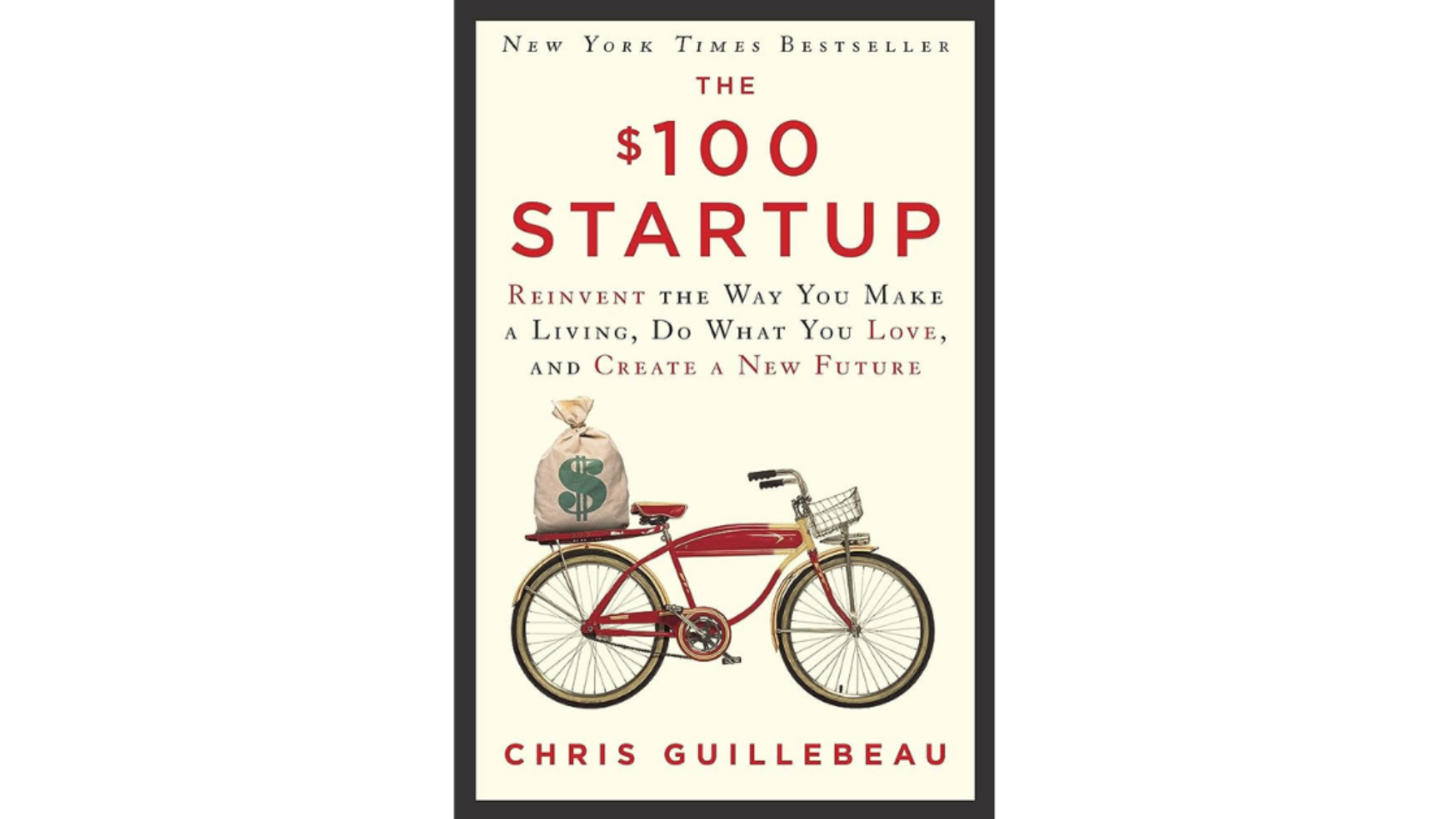
“The $100 Startup: Reinvent the Way You Make a Living, Do What You Love, and Create a New Future” By Chris Guillebeau’s

Chris Guillebeau’s book “The $100 Startup: Reinvent the Way You Make a Living, Do What You Love, and Create a New Future” provides helpful advice and motivational tales for budding businesspeople. The book’s synopsis is as follows:

The popular belief that establishing a business needs a lot of money or resources is contested by “The $100 Startup.” Instead, it promotes a resourceful and lean approach to entrepreneurship, stressing that anyone with tenacity and enthusiasm for their work may find a profitable company.

Numerous real-life case studies and interviews with people who launched successful firms with little to no initial funding are included in the book. It looks at how these business owners discovered their distinctive abilities, talents, and interests and transformed them into successful companies. Their experiences offer motivation and useful information about starting a business from the beginning.

In this book, Guillebeau provides a road map for budding business owners by emphasizing crucial ideas and winning tactics. He stresses the significance of finding a lucrative niche, comprehending customer demands, and providing value. The book also addresses issues including marketing on a tight budget, developing a strong internet presence, and establishing a following of devoted clients.

One of the main points of “The $100 Startup” is that anyone who is prepared to take initiative can succeed as an entrepreneur. It exhorts readers to make the most of their current talents and interests, to take sensible chances, and to embrace the freedom and contentment that come from working for themselves.

In conclusion, “The $100 Startup” makes a strong case for starting a business on a shoestring budget. It offers helpful tips, motivating case studies, and a mindset shift that encourages readers to pursue their goals of launching a prosperous business.

The Book in 3 Sentences

1. Entrepreneurship for Everyone: The book advocates for a lean and resourceful approach to entrepreneurship, challenging the idea that establishing a business requires large funds or resources.

2. Inspiring Case Studies: The book provides examples of entrepreneurs who created successful enterprises with little initial expenses, highlighting their techniques and lessons learned through real-life case studies and interviews.

3. Useful Advice: “The $100 Startup” offers a road map for budding business owners, covering crucial subjects including choosing a lucrative niche, marketing on a budget, establishing an online presence, and providing value to clients.

Impressions

1.   Empowering and Inspirational: I find the book to be highly empowering and inspirational. It motivates individuals to pursue their entrepreneurial dreams by showcasing relatable stories of people who have successfully started businesses with minimal resources. The book’s emphasis on taking action and pursuing meaningful work resonates with readers seeking to break free from traditional career paths.

2.   Practical and Actionable: Appreciate the book’s practical approach to entrepreneurship. It provides concrete strategies, step-by-step guidance, and actionable advice that can be implemented immediately. The inclusion of case studies and examples adds depth and illustrates how others have applied the principles in real-life scenarios.

3.   Paradigm Shift: “The $100 Startup” challenges conventional notions of entrepreneurship by highlighting that substantial capital is not a prerequisite for success. This paradigm shift resonates with readers who may have previously felt limited by financial barriers. The book encourages a mindset shift, fostering a belief that anyone with passion, resourcefulness, and a willingness to learn can create a successful business.

4.   Focus on Passion and Purpose: Guillebeau emphasizes the importance of pursuing work that aligns with one’s passion and purpose. I appreciate the emphasis on finding fulfillment and meaning in their entrepreneurial endeavors, rather than solely focusing on financial gain. This approach resonates with those seeking to create businesses that align with their personal values and interests.

5.   Accessibility and Inclusivity: I find the book accessible and inclusive, as it showcases a wide range of entrepreneurs from diverse backgrounds and industries. This inclusivity fosters a sense of possibility for people from various walks of life, inspiring them to believe that they too can embark on an entrepreneurial journey.

6.   Practical Financial Wisdom: The book provides practical financial insights, emphasizing the importance of bootstrapping, minimizing costs, and generating revenue early on. I appreciate the focus on sustainable business models and the cautious approach to financial management.

How I Discovered It

“The $100 Startup” by Chris Guillebeau has been discovered by readers through various channels and sources. Chris Guillebeau, the author of the book, has a strong online presence and a dedicated following. I discovered “The $100 Startup” through Guillebeau’s a blog, where he shares insights, resources, and excerpts from the book.

Who Should Read It?

“The $100 Startup” by Chris Guillebeau is a book that can benefit a wide range of readers. Here are the key groups of people who may find value in reading this book:

1. Aspiring Entrepreneurs: This book is particularly relevant for individuals who have a desire to start their own business but may be hesitant due to perceived barriers such as lack of capital or resources. “The $100 Startup” provides practical insights, inspiring case studies, and actionable advice for those looking to pursue entrepreneurship with limited resources and a lean approach.

2. Side Hustlers and Freelancers: Individuals who are already engaged in side hustles or freelance work can gain valuable guidance from the book. It offers strategies for monetizing skills, identifying profitable opportunities, and transitioning from part-time to full-time entrepreneurship.

3. Career Changers: People seeking a career change or wanting to transition from traditional employment to self-employment can find inspiration and practical steps in the book. It encourages readers to leverage their existing skills and passions to create a meaningful and fulfilling business.

4. Creative Professionals: Artists, writers, designers, and other creative professionals who wish to monetize their talents and turn their creative pursuits into viable businesses can find practical insights in “The $100 Startup.” The book explores creative ways to market products or services, build an online presence, and establish a customer base.

5. Solopreneurs and Microbusiness Owners: Individuals who prefer running a business on their own or operating micro businesses can benefit from the book’s focus on lean startup methods, low-cost marketing strategies, and effective time management techniques. It offers guidance on building a sustainable and profitable business model that suits individual preferences and goals.

6. Those Seeking Work-Life Balance: “The $100 Startup” promotes the idea of creating a business that aligns with personal values and lifestyle choices. Readers interested in achieving work-life balance, flexibility, and autonomy can gain insights into how to structure their businesses to prioritize their desired lifestyle.

How the Book Changed Me

After reading “The $100 Startup” by Chris Guillebeau, individuals may experience several changes and shifts in their mindset, approach, and actions. Here are ways in which I changed after reading the book:

1. Shift in Entrepreneurial Mindset: The book encouraged me to adopt an entrepreneurial mindset, emphasizing the possibilities of starting a business with limited resources and the importance of taking action. I developed a more optimistic and proactive mindset, viewing challenges as opportunities and seeking creative solutions to problems.

2. Increased Confidence and Motivation: Reading about real-life examples of successful entrepreneurs who started with minimal resources boosted my confidence in my abilities. I felt more motivated to pursue my entrepreneurial dreams, knowing that others have achieved success through similar paths.

3. Focus on Value Creation: “The $100 Startup” emphasizes the importance of providing value to customers. I become more focused on identifying their unique skills, talents, and offerings that can meet customer needs and create meaningful impact. I prioritized value creation over simply chasing profits, leading to a more customer-centric approach to business.

4. Embracing Lean and Agile Practices: The book promotes a lean and agile approach to entrepreneurship, emphasizing the importance of experimentation, adaptation, and quick learning. I became more comfortable with taking calculated risks, testing ideas, and making adjustments based on feedback and market insights.

5. Resourcefulness and Creativity: “The $100 Startup” encouraged me to leverage my existing resources, skills, and networks to start and grow my business. After reading the book, I became more resourceful and creative in finding low-cost or free alternatives, tapping into my networks for support, and utilizing technology and online platforms to my advantage.

6. Action-Oriented Approach: The book’s practical guidance and actionable steps inspired me to take immediate action rather than simply planning. I developed a bias towards action, implementing the strategies and advice shared in the book, and continuously iterating and refining my business ideas.

7. Embracing Failure and Learning: “The $100 Startup” acknowledges that failure is a natural part of the entrepreneurial journey and encouraged me to embrace it as a learning opportunity. After reading the book, I became more resilient, open to experimentation, and willing to learn from setbacks and mistakes.

My Top Quotes

  1. “The only thing worse than starting something and failing… is not starting something.” – Seth Godin
  2. “Every problem is a business opportunity in disguise.” – Jay Abraham
  3. “Entrepreneurship is living a few years of your life like most people won’t so you can spend the rest of your life like most people can’t.” – Unknown
  4. “The key to success isn’t more hours, it’s the right hours.” – Chris Guillebeau
  5. “Don’t think about what the world needs. Think about what makes you come alive, and go do that. Because what the world needs is people who have come alive.” – Howard Thurman
  6. “The best way to predict the future is to create it.” – Peter Drucker
  7. “Success is not the key to happiness. Happiness is the key to success. If you love what you are doing, you will be successful.” – Albert Schweitzer

Detailed Notes//Key Topics

The key topics covered in “The $100 Startup” by Chris Guillebeau revolve around the principles and strategies for starting and growing a business with minimal resources. Here are some of the key topics addressed in the book:

1. The Rise of the Side Hustle: The book explores the concept of side hustles and how individuals can leverage their skills, passions, and interests to create profitable businesses alongside their regular jobs.

2. Finding Your Niche: “The $100 Startup” emphasizes the importance of identifying a profitable niche or target market. It delves into methods for conducting market research, understanding customer needs, and positioning a product or service in a way that stands out from the competition.

3. Building a Minimum Viable Product (MVP): The book emphasizes the concept of developing a minimum viable product or service as a starting point. It discusses strategies for quickly testing ideas, gathering feedback from customers, and iterating based on their preferences and needs.

4. Low-Cost Marketing and Promotion: Guillebeau explores various cost-effective marketing strategies and tactics that entrepreneurs can employ to reach their target audience without a large advertising budget. This includes leveraging online platforms, social media, content marketing, and word-of-mouth referrals.

5. Creating Customer Value: The book emphasizes the importance of providing exceptional value to customers and meeting their needs. It discusses strategies for understanding customer desires, delivering a compelling product or service, and cultivating strong relationships to foster customer loyalty.

6. Building an Online Presence: “The $100 Startup” highlights the significance of establishing an online presence for entrepreneurs. It offers guidance on creating a professional website, leveraging social media platforms, and utilizing online tools to reach a wider audience and build a strong brand identity.

7. Overcoming Challenges and Scaling: The book acknowledges the common challenges faced by entrepreneurs and provides insights on overcoming obstacles such as fear, self-doubt, and limited resources. It also touches on strategies for scaling a business once it gains traction and generates sustainable revenue.

8. Lifestyle Design and Work-Life Balance: Guillebeau emphasizes the importance of designing a business that aligns with one’s desired lifestyle and personal values. The book encourages readers to prioritize work-life balance, autonomy, and flexibility in their entrepreneurial pursuits.

These key topics collectively provide readers with practical insights, strategies, and principles for starting and growing a business on a lean budget, while emphasizing the importance of aligning their business with their passions, values, and desired lifestyle.

Untitled-design-15

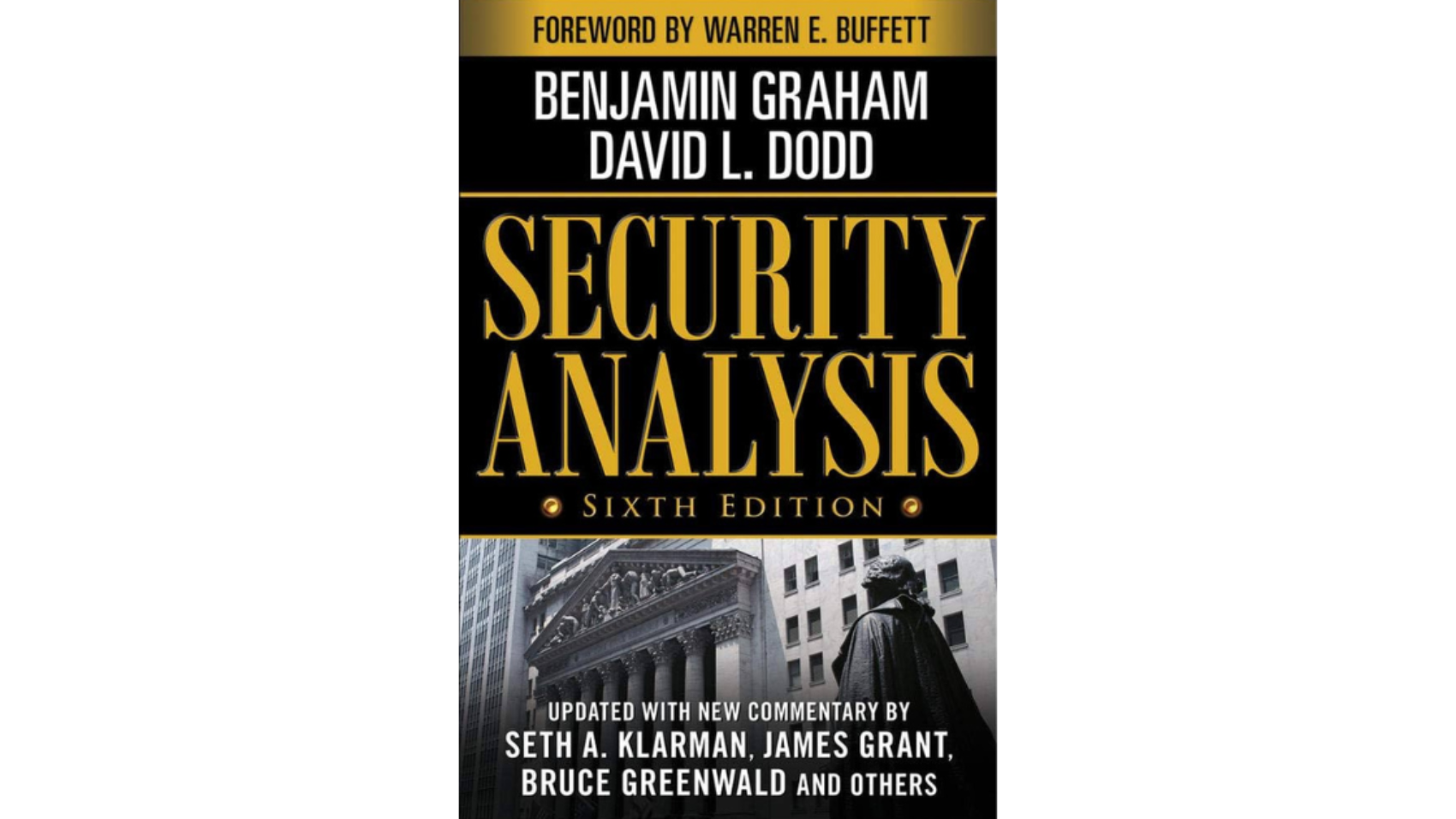
“Security Analysis: Principles and Techniques” By Benjamin Graham’s

Benjamin Graham’s “Security Analysis: Principles and Techniques” is regarded as a basic publication on the subject of value investing. Here is a synopsis of the book:

Overall, “Security Analysis” is a very influential and well-respected text that has made substantial contributions to the subject of investment analysis. Its principles and methodologies are still widely employed by investors and analysts today.

The book offers a comprehensive reference to investing analysis, with an emphasis on individual stock and bond analysis. Graham lays up a comprehensive framework for analyzing securities that include both quantitative and qualitative factors.

The book emphasizes the significance of carefully analyzing financial statements, with a specific emphasis on spotting inexpensive stocks. Graham also emphasizes the significance of diversification and risk management, and he provides extensive instructions on how to build a well-diversified investment portfolio.

In addition to a detailed examination of specific stocks, the book covers broader subjects such as market behavior, the role of speculation in investing, and the impact of economic and political events on the stock market.

The Book in 3 Sentences

  • The book offers a complete guide to investing analysis, with an emphasis on individual stock and bond analysis.
  • It emphasizes the significance of diligent and detailed financial statement examination, with a specific emphasis on spotting cheap stocks.
  • The book also covers broader subjects like market behavior, the role of speculation in investing, and the effect of economic and political events on the stock market.

Impressions

“Security Analysis: Principles and Techniques” is widely regarded as one of the most influential investment books ever written. Here are some of the most common impressions from the book:

1.    Comprehensive: The book is very thorough and covers all aspects of investment analysis.

2.    Focus on Value Investing: Graham is known as the father of value investing, and the book emphasizes the importance of buying stocks at a discount to their intrinsic value.

3.    Emphasis on Discipline and Patience: Graham stresses the importance of discipline and patience in investing, as well as the need for a margin of safety.

4.    Timeless: Despite being written in 1934, the book’s principles remain relevant today and have influenced countless investors over the years.

5.    Heavy Reading: The book is dense and can be difficult to read at times, but its insights make it a worthwhile investment for serious investors.

How I Discovered It

“Security Analysis: Principles and Techniques” is a classic investment book that has been in circulation for over 80 years. Benjamin Graham, the author of the book, is widely regarded as a legendary investor and one of the pioneers of value investing, I did not want to miss out on this.

Who Should Read It?

“Security Analysis” is a comprehensive book on investment principles and techniques, intended for serious investors and finance professionals. It is widely regarded as one of the most important books on value investing ever written. As such, it is most suitable for:

  1. Investors seeking to deepen their understanding of value investing and security analysis.
  2. Finance professionals, including analysts, fund managers, and investment bankers.
  3. Academics and students of finance and economics.

How the Book Changed Me

After reading “Security Analysis,” I changed in a number of ways, including:

  1. Developed a better understanding of fundamental investing principles and techniques, which lead to better investment decisions.
  2. Adopted a more disciplined approach to investing and analyzing securities.
  3. Gained a better appreciation for the importance of analyzing financial statements and other company data when making investment decisions.
  4. Developed a long-term perspective on investing, rather than trying to “time the market” or chase short-term trends.
  5. Understood the importance of risk management and diversification in a well-rounded investment strategy.

My Top Quotes

  1. “The essence of investment management is the management of risks, not the management of returns.”
  2. “An investment operation is one which, upon thorough analysis, promises safety of principal and an adequate return. Operations not meeting these requirements are speculative.”
  3. “It is far better to buy a wonderful company at a fair price than a fair company at a wonderful price.”
  4. “To achieve satisfactory investment results is easier than most people realize; to achieve superior results is harder than it looks.”
  5. “Investing is most intelligent when it is most businesslike.”
Untitled-design-65

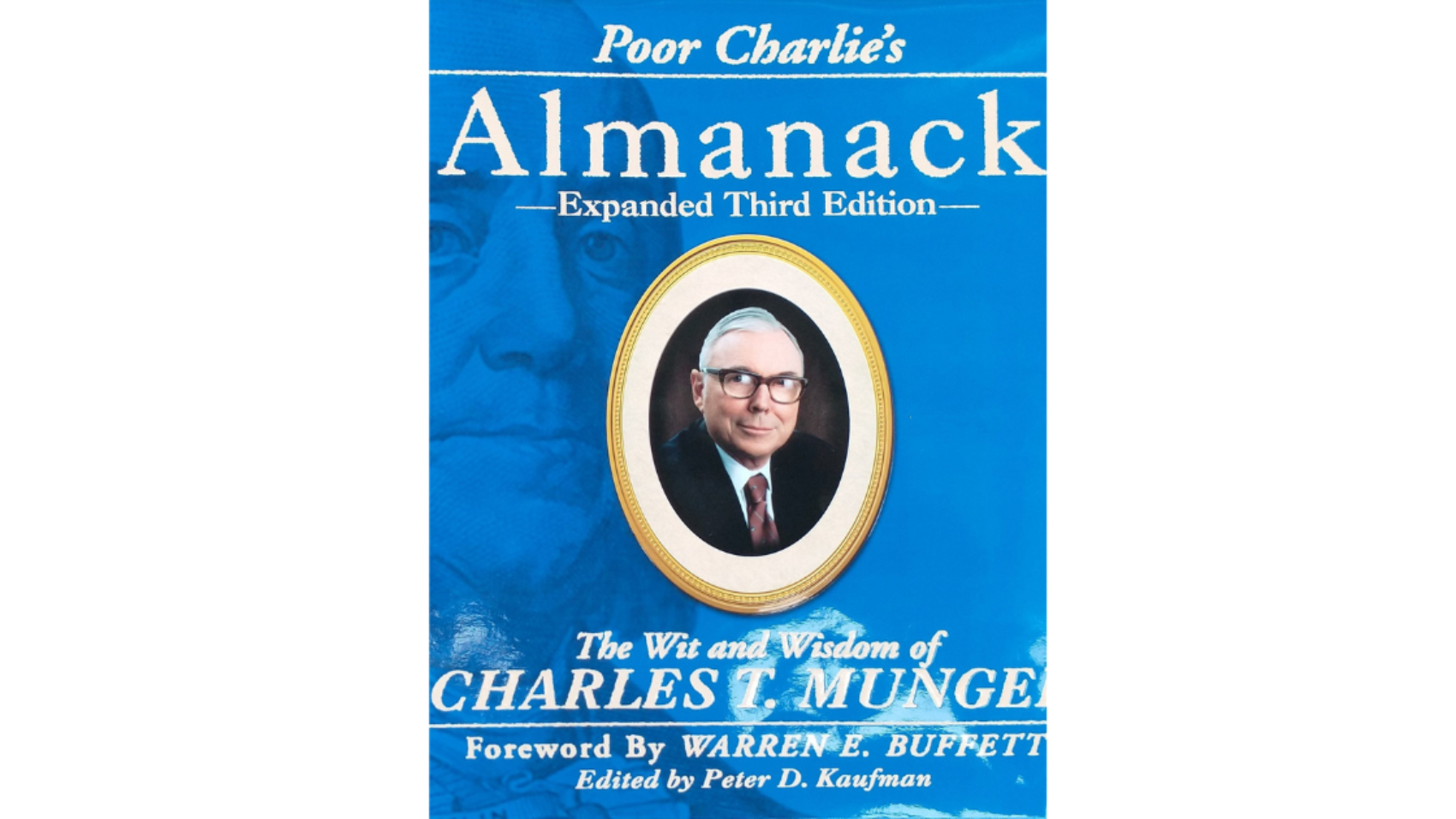
“Poor Charlie’s Almanack” By Charlie Munger

“Poor Charlie’s Almanack” is a collection of speeches, essays, and thoughts by Charlie Munger, vice chairman of Berkshire Hathaway and Warren Buffett’s long-time business partner. Munger’s broad interests and distinctive viewpoints inform the book’s wide variety of insights on investment, business, and life.

“Poor Charlie’s Almanack” is a collection of speeches, essays, and thoughts by Charlie Munger, vice chairman of Berkshire Hathaway and Warren Buffett’s long-time business partner. Munger’s broad interests and distinctive viewpoints inform the book’s wide variety of insights on investment, business, and life.

The book is organized into sections, each of which covers a distinct theme. Part One provides a biographical picture of Munger’s life and work, emphasizing both his early challenges and later accomplishments. Part Two discusses Munger’s investing strategy, emphasizing the significance of finding exceptional businesses at reasonable prices and keeping them for the long term. Part Three provides Munger’s perspectives on business and management, including his thoughts on culture, incentives, and learning from failures. Munger’s opinions on psychology and human behavior are covered in Part Four, including his observations on the significance of avoiding cognitive biases and mental models. Part Five contains Munger’s thoughts on life and decision-making, including his opinions on the value of logic, patience, and self-improvement.

Munger emphasizes the significance of clear thinking, rational decision-making, and lifelong learning throughout the book. He invites readers to use a holistic approach to issue resolution, drawing on insights from other sectors and disciplines. “Poor Charlie’s Almanack” is a useful resource for anyone interested in investment, business, or personal growth because of Munger’s wit, insight, and unique perspective.

The Book in 3 Sentences

  • “Poor Charlie’s Almanack” is a collection of speeches, essays, and musings by Charlie Munger, Warren Buffett’s long-time business partner.
  • The book discusses Munger’s investment philosophy, business and management concepts, and opinions on psychology and decision-making.
  • Munger emphasizes the need for clear thinking, rational decision-making, and lifelong learning, pushing readers to adopt a multidisciplinary approach to problem-solving.

mpressions

The most common impressions from “Poor Charlie’s Almanack” are:

  1. Charlie Munger is a highly intelligent and insightful individual with a unique perspective on investing, business, and life.
  2. The book offers a wealth of practical advice and timeless wisdom that can be applied to a wide range of situations.
  3. Munger’s emphasis on clear thinking, rational decision-making, and lifelong learning is seen as highly valuable and relevant to individuals looking to improve their personal and professional lives.

How I Discovered It

Charlie Munger’s status as the long-time business partner of Warren Buffett, one of the most successful investors of all time, is the reason I read this book and found it online.

Who Should Read It?

Anyone interested in investing, business, or personal development should consider reading “Poor Charlie’s Almanack.” The book offers valuable insights and practical advice on a wide range of topics, from investing and business strategy to psychology and decision-making. It is particularly relevant for those interested in value investing, as Charlie Munger is known for his contributions to this investment approach. The book is also suitable for readers who appreciate Munger’s unique perspective and his emphasis on clear thinking, rational decision-making, and lifelong learning.

How the Book Changed Me

After reading “Poor Charlie’s Almanack,” I changed in several ways which are as follows:

  1. Developed a greater understanding of the principles of value investing and the importance of investing with a long-term perspective.
  2. Gained insights into business and management, such as the importance of having a competitive advantage and avoiding unnecessary complexity.
  3. Learned about the psychology of decision-making and the importance of avoiding biases and errors in judgment.
  4. Developed a greater appreciation for the value of lifelong learning and the importance of being open-minded and curious.

My Top Quotes

  1. “Spend each day trying to be a little wiser than you were when you woke up. Discharge your duties faithfully and well. Step by step you get ahead, but not necessarily in fast spurts. But you build discipline by preparing for fast spurts. Slug it out one inch at a time, day by day. At the end of the day – if you live long enough – most people get what they deserve.”
  2. “The best thing a human being can do is to help another human being know more.”
  3. “We try more to profit from always remembering the obvious than from grasping the esoteric. It is remarkable how much long-term advantage people like us have gotten by trying to be consistently not stupid, instead of trying to be very intelligent.”
  4. “The big money is not in the buying and selling. But in the waiting.”
  5. “You’re not going to get very far in life based on what you already know. You’re going to advance in life by what you’re going to learn after you leave here.”

Detailed Notes//Key Topics

Here are some key topics covered in “Poor Charlie’s Almanack”:

  1. Value investing principles and strategies: Munger is known for his contributions to the field of value investing, and the book includes many insights into this approach to investing.
  2. Business and management principles: The book includes Munger’s thoughts on various business and management topics, such as competitive advantage, avoiding unnecessary complexity, and understanding the power of incentives.
  3. Psychology and decision-making: Munger emphasizes the importance of understanding psychology and avoiding biases and errors in judgment when making decisions.
  4. Personal development and lifelong learning: Munger encourages readers to prioritize personal development and lifelong learning, and the book includes many examples of individuals who have succeeded in various fields through disciplined practice and learning.
Untitled-design-17

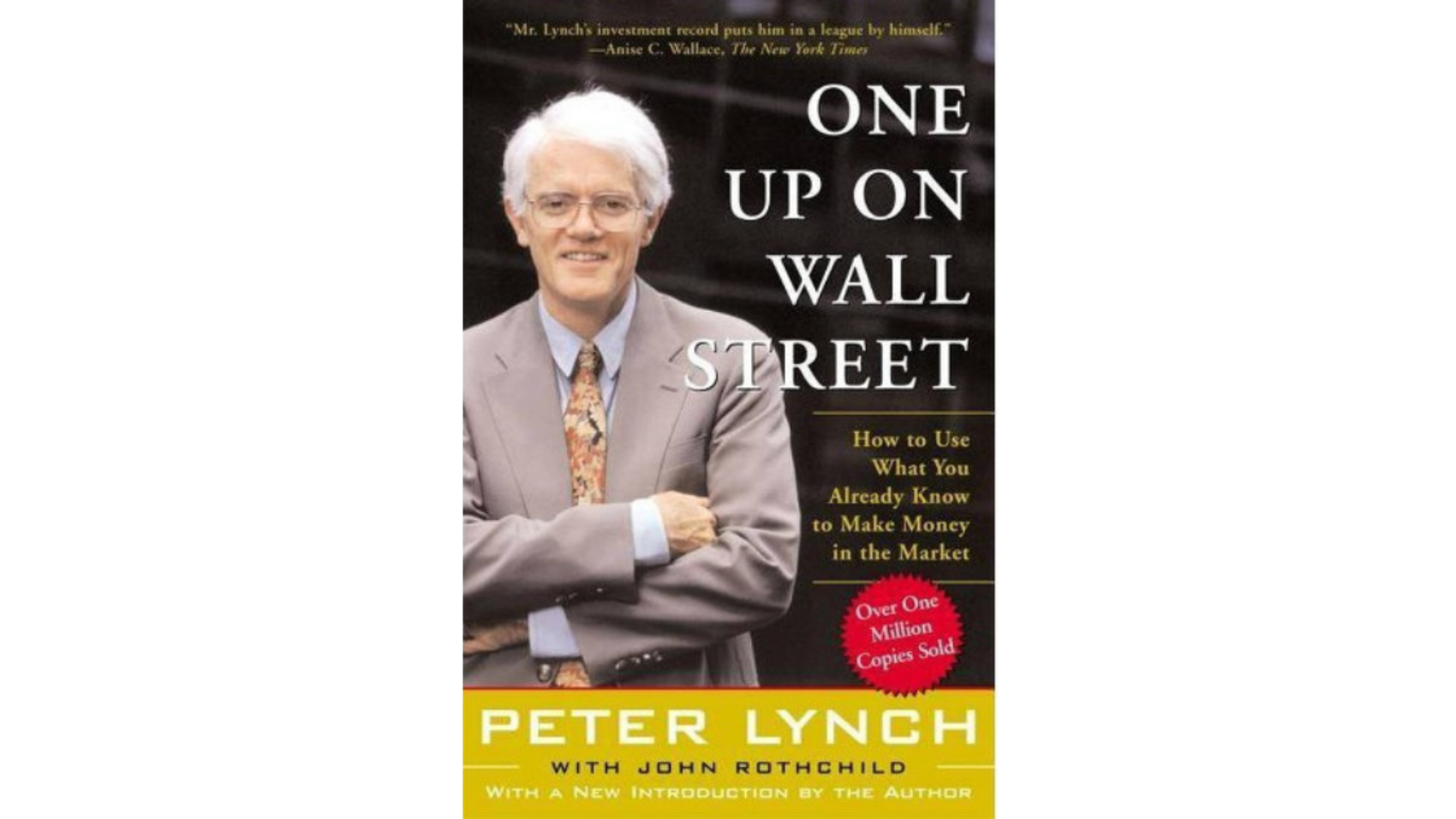
“One Up on Wall Street: How to Use What You Already Know to Make Money in the Market” By Peter Lynch and John Rothchild’s

Peter Lynch and John Rothchild’s book “One Up on Wall Street: How to Use What You Already Know to Make Money in the Market” is a guide to investing that offers tips and tactics for individual investors. The book’s synopsis is as follows:

Peter Lynch and John Rothchild’s book “One Up on Wall Street: How to Use What You Already Know to Make Money in the Market” is a guide to investing that offers tips and tactics for individual investors. The book’s synopsis is as follows:

One of history’s most successful fund managers, Peter Lynch, explains his investment philosophies and methods in “One Up on Wall Street.” He emphasizes the notion that, by making use of their expertise and observations in daily life, regular investors have an edge over professional money managers.

In his book, Lynch presents the idea of “investing in what you know.” He advises readers to look for investment opportunities based on their own experiences, such as the goods and services they use, the markets they are familiar with, or the patterns they notice. Investors can find inexpensive firms before they are well known by taking advantage of this familiarity.

The significance of doing an in-depth investigation and analysis is stressed in the book. Lynch talks about a range of stock analysis topics, including reading financial statements, appraising a company’s position in the market, and determining its development prospects. He offers helpful advice on how to conduct research, visit businesses, and speak with employees in order to get important insights.

Lynch highlights the value of a long-term investment strategy. He advises investors to exercise patience and to stick with their investment choices, and he opposes short-term speculating. Lynch thinks investors may generate big returns over the long run by concentrating on a company’s fundamentals and its potential for long-term growth.

The book also discusses cognitive biases and typical investing mistakes. Lynch advises against following the herd, snatching up trendy stocks, or making snap judgments based on current market conditions. He recommends investors maintain discipline, refrain from reacting emotionally to market changes, and concentrate on businesses with strong fundamentals and promising futures.

Lynch includes personal anecdotes, success tales, and takeaways from his time running the Fidelity Magellan Fund throughout the book. He offers a realistic and relatable viewpoint on investment, making the book understandable to both inexperienced and seasoned investors.

“One Up on Wall Street” is a manual for private investors who want to approach the stock market with pragmatism and common sense. It provides insightful information, practical suggestions, and the conviction that individual investors can succeed in the market with the appropriate outlook and due diligence.

The Book in 3 Sentences

1. Investment Advantage: The book emphasizes that by using their own expertise and observations in daily life to uncover investment possibilities, individual investors have an advantage over professional money managers.

2. Thorough study and analysis are essential when appraising equities, according to Peter Lynch. He offers helpful advice on how to read financial statements, evaluate a firm’s position in the market, and obtain information via company interactions and store visits.

3. Long-Term Approach: Lynch is a promoter of a long-term investment strategy that is centered on the fundamentals and future growth prospects of a firm. In order to succeed in investing, he recommends against short-term speculating, emotional responses to market changes, and adhering to fads. He places a strong emphasis on the importance of patience and discipline.

Impressions

The book “One Up on Wall Street: How to Use What You Already Know to Make Money in the Market” by Peter Lynch has left several common impressions which are as follows:

1. Empowerment: People often feel empowered after reading the book, as Lynch encourages them to trust their own observations and knowledge to identify investment opportunities. The emphasis on individual investors’ advantages over professionals instills a sense of confidence in readers.

2. Practicality: Many people appreciate the practical and accessible nature of the book. Lynch’s examples, anecdotes, and step-by-step guidance on conducting research resonate with readers and make the investment concepts more understandable and applicable in real-world scenarios.

3. Long-Term Perspective: The book emphasizes the importance of a long-term investment approach. People often appreciate this focus, as it encourages them to think beyond short-term market fluctuations and consider a company’s fundamentals and growth potential over time.

4. Common-Sense Approach: Lynch’s common-sense approach to investing resonates with people. The book emphasizes the value of simplicity, patience, and avoiding unnecessary complexities in investment decisions. This approach helps readers feel that successful investing is within their grasp.

5. Humor and Engaging Writing Style: Lynch’s engaging writing style, laced with humor and personal anecdotes, tends to captivate people. Many find the book enjoyable to read, making complex investment concepts more digestible and relatable.

6. Emphasis on Research: People often come away with a reinforced understanding of the importance of thorough research and analysis in making informed investment decisions. Lynch’s discussions on financial statements, company visits, and industry analysis inspire readers to conduct their own due diligence.

How I Discovered It

The book “One Up on Wall Street: How to Use What You Already Know to Make Money in the Market” by Peter Lynch has gained popularity through various means. I picked up this book as I wanted to understand how the legendary investor operates.

Who Should Read It?

“One Up on Wall Street: How to Use What You Already Know to Make Money in the Market” by Peter Lynch is a book that can benefit a wide range of readers interested in investing and personal finance. Here are some groups of people who may find value in reading this book:

1. Individual Investors: The book is particularly relevant for individual investors who are looking to take control of their own investment decisions. It provides insights and strategies for identifying investment opportunities and understanding the stock market.

2. Novice Investors: Those who are new to investing and want to build a solid foundation of investment knowledge can benefit from reading this book. Lynch’s explanations, practical examples, and step-by-step guidance make it accessible for beginners.

3. Intermediate Investors: Investors who have some experience in the market but want to enhance their skills and refine their investment approach can gain valuable insights from the book. It offers a deeper understanding of fundamental analysis and long-term investing strategies.

4. DIY Investors: Individuals who prefer a do-it-yourself (DIY) approach to investing, rather than relying on financial advisors or professionals, can find the book empowering. Lynch’s emphasis on utilizing one’s knowledge and observations aligns with the mindset of self-directed investors.

5. Fans of Peter Lynch: Readers who admire Peter Lynch and his successful track record as a fund manager may be drawn to this book. Lynch’s personal anecdotes and experiences managing the Fidelity Magellan Fund offer a unique perspective and inspire readers to learn from his expertise.

6. Those Seeking Practical Guidance: The book appeals to individuals who appreciate practical and actionable advice. Lynch’s straightforward explanations and guidance on conducting research, analyzing stocks, and building a portfolio can be helpful for those seeking tangible strategies.

7. Anyone Interested in Personal Finance: The book goes beyond investing and touches on broader personal finance topics. Readers interested in financial planning, wealth management, and achieving financial goals can find valuable insights and principles to apply in their overall financial journey.

How the Book Changed Me

After reading “One Up on Wall Street: How to Use What You Already Know to Make Money in the Market” by Peter Lynch, individuals may experience several changes in their investment approach and mindset. Here are some ways in which I changed after reading the book:

1. Increased Confidence: I gained a boost in confidence in my ability to invest and make informed decisions. Lynch’s emphasis on utilizing personal knowledge and observations helped me realize my potential and encouraged me to trust my judgment.

2. Improved Investment Knowledge: The book equipped me with a deeper understanding of investment concepts, fundamental analysis, and stock selection. I become more knowledgeable about financial statements, industry analysis, and other factors that influence investment decisions.

3. Research and Due Diligence: It encouraged me to conduct thorough research and due diligence before making investment decisions. I become more diligent in analyzing financial statements, studying industry trends, and gathering information to make informed choices.

4. Selective Investing: The book inspired me to be selective in my investment choices and to invest in companies I understand and have confidence in. I become more discerning in my stock selection, looking for companies with competitive advantages, strong management teams, and growth potential.

5. Avoidance of Market Noise and Trends: After reading the book, I become more resistant to market noise and popular trends. I developed a stronger ability to filter out short-term fluctuations and focus on long-term investment goals.

6. Improved Risk Management: The book emphasizes the importance of risk management and avoiding unnecessary risks. I become more cautious in my investment decisions, considering factors such as diversification, portfolio allocation, and downside protection.

7. Patience and Discipline: I developed a greater sense of patience and discipline in my investment approach. I understand that successful investing requires sticking to a well-thought-out strategy, avoiding impulsive decisions, and staying focused on long-term goals.

My Top Quotes

1. “Investing without research is like playing stud poker and never looking at the cards.” This quote highlights the importance of conducting thorough research and analysis before making investment decisions.

2. “Invest in what you know.” Lynch often emphasized the idea of investing in companies and industries that individuals are familiar with and have knowledge about from their everyday lives.

3. “Know what you own, and know why you own it.” This quote emphasizes the importance of understanding the companies you invest in and having a clear rationale for why you hold those investments.

4. “The stock market is filled with individuals who know the price of everything but the value of nothing.” Lynch warned against focusing solely on short-term price movements and encouraged investors to look beyond the stock’s current price and assess its intrinsic value.

5. “In the short run, the market is a voting machine, but in the long run, it is a weighing machine.” This quote reflects Lynch’s belief in the importance of a long-term perspective and the value of focusing on a company’s fundamental strengths and growth potential over time.

Detailed Notes//Key Topics

Key topics covered in “One Up on Wall Street: How to Use What You Already Know to Make Money in the Market” by Peter Lynch include:

1. Finding Investment Opportunities: The book focuses on how individual investors can leverage their everyday knowledge and observations to identify potential investment opportunities. Lynch emphasizes the value of personal experiences, common sense, and being aware of market trends.

2. Fundamental Analysis: Lynch delves into the importance of fundamental analysis in evaluating stocks. He discusses financial statements, ratios, and other factors to consider when assessing the value and growth potential of a company.

3. Different Types of Stocks: The book explores various categories of stocks, including slow growers, stalwarts, fast growers, and turnaround situations. Lynch provides insights into the characteristics and considerations for each type of stock.

4. Building a Winning Portfolio: Lynch offers guidance on constructing a diversified portfolio, managing risk, and making appropriate investment decisions. He discusses the benefits of spreading investments across different industries and monitoring the portfolio’s performance.

5. Investor Psychology and Market Timing: Lynch delves into investor psychology, the impact of emotions on investment decisions, and the pitfalls of trying to time the market. He emphasizes the importance of maintaining a long-term perspective and avoiding common investor mistakes.

6. Case Studies and Examples: Throughout the book, Lynch shares numerous case studies and examples to illustrate his investment principles and strategies. These real-world examples provide practical insights into how he approaches stock selection and decision-making.

7. Common Investing Mistakes: Lynch highlights common mistakes made by investors, such as overreliance on tips, following the herd, and getting swayed by short-term market fluctuations. He provides guidance on how to avoid these pitfalls and make more informed decisions.

8. Investor Education and Continuous Learning: The book emphasizes the value of investor education and continuous learning. Lynch encourages readers to stay curious, gather information, and develop a strong foundation of investment knowledge.

These key topics form the foundation of “One Up on Wall Street” and provide readers with valuable insights and strategies to navigate the stock market and make informed investment decisions.

Untitled-design-26-1

“Margin of Safety: Risk-Averse Value Investing Strategies for the Thoughtful Investor” By Seth A. Klarman

Seth A. Klarman, a successful investor and founder of the Baupost Group, wrote the book “Margin of Safety: Risk-Averse Value Investing Strategies for the Thoughtful Investor”. I am unable to offer you a detailed explanation of the book’s contents, but I can give you a broad overview of its major topics and ideas.

The emphasis of the book is on value investing and the value of having a margin of safety while making investments. The following significant topics are often discussed in the book:

1. Margin of Safety: According to Klarman, this idea refers to purchasing assets at a substantial discount to their intrinsic value. This strategy seeks to guard against potential negative risk and provide a buffer for possible valuation errors.

2. Value Investing Principles: In this section, Klarman examines the value investing tenets, which include finding undervalued assets and making long-term investments. He talks about fundamental analysis, determining a company’s competitive advantage, and the value of extensive study while making investment decisions.

3. Risk Management: The book explores risk management methods and capital preservation measures. Diversification, rigorous risk assessment, and identifying and managing potential risks in investing are all points that Klarman emphasizes.

4. Market Psychology: In this section, Klarman talks about how investor behavior and market psychology might affect financial decisions. He emphasizes how market cycles, irrational exuberance, and investor emotions all contribute to market swings and possibilities for value investors.

5. Investment techniques: Various investment techniques used by Klarman, such as distressed debt investing, special situations investing, and opportunistic investing, may be covered in the book. It might shed light on how Klarman employs these techniques and integrates them into his general investment strategy.

The book is highly acclaimed in the investment community, but it is rare and challenging to find, it should be noted. Because of this, comprehensive summaries and snippets might not be generally accessible. I advise getting a copy from a dependable retailer or looking into alternate sources, including investment forums or articles outlining the main ideas and insights from “Margin of Safety,” to get a more thorough knowledge of the book’s content.

The Book in 3 Sentences

1. Margin of Safety: The book places a strong emphasis on the value of purchasing investments at a substantial discount to their intrinsic value, which offers a margin of safety against any downside risks.

2. Value Investing Principles: In this chapter, Klarman examines value investing’s guiding principles, emphasizing basic analysis, a long-term outlook, and comprehensive research to find undervalued assets.

3. Risk Management: This section of the book explores risk management strategies, such as disciplined risk assessment, diversification, and identifying and controlling potential risks in investing decisions.

Impressions

1. Depth of Knowledge: You have to appreciate the depth of knowledge and expertise displayed by Seth A. Klarman. The book is often praised for its thorough analysis of value investing principles and the practical insights shared by the author.

2. Emphasis on Risk Management: One common impression is the book’s emphasis on risk management and the importance of preserving capital. I find Klarman’s approach to assessing and managing risks as a valuable perspective that distinguishes successful value investors.

3. Margin of Safety Concept: The concept of a margin of safety resonates strongly with me. Klarman’s explanation of buying assets at a significant discount to their intrinsic value is often regarded as a key takeaway from the book, highlighting the importance of protecting against potential downside risks.

4. Real-World Examples: I appreciated the inclusion of real-world examples and case studies that help illustrate the application of value investing principles. These examples provide practical insights and make the concepts more relatable.

5. Influence on Value Investing Community: “Margin of Safety” has gained a reputation as a cult classic among value investors, and it has had a significant impact on the investment community. Many investors consider it a must-read for those interested in value investing.

How I Discovered It

The book “Margin of Safety: Risk-Averse Value Investing Strategies for the Thoughtful Investor” by Seth A. Klarman gained popularity through word-of-mouth recommendations and its reputation within the investment community. I found it though the same.

Who Should Read It?

“Margin of Safety: Risk-Averse Value Investing Strategies for the Thoughtful Investor” by Seth A. Klarman is recommended for individuals interested in value investing and those seeking to enhance their understanding of investment principles. Here are the key groups of people who may benefit from reading this book:

1. Aspiring Investors: Individuals who are new to investing or seeking to develop a strong foundation in investment principles can find value in this book. It provides insights into the mindset, strategies, and techniques of successful value investors, offering guidance on how to approach investment decisions with a long-term perspective.

2. Value Investors: The book is particularly relevant for value investors who aim to identify undervalued assets and seek a margin of safety in their investments. It delves into the concepts, techniques, and strategies employed by value investors, helping readers refine their investment approach and decision-making process.

3. Financial Professionals: Financial advisors, portfolio managers, and other professionals in the finance industry can benefit from the book’s insights. It offers a comprehensive understanding of risk management, fundamental analysis, and the importance of a margin of safety, which can enhance their ability to assess investments and provide sound financial advice.

4. Business Students and Professionals: Students studying finance, business, or related fields can gain valuable knowledge from the book. It provides practical examples and case studies, allowing them to apply investment principles and understand how financial markets operate in the real world. Additionally, professionals in finance-related roles can benefit from the book’s insights to refine their investment strategies.

5. Experienced Investors: Even experienced investors can find value in “Margin of Safety.” It offers a fresh perspective on risk management, investment psychology, and the importance of disciplined decision-making. The book may serve as a reminder of core investment principles and provide insights to refine existing strategies.

How the Book Changed Me

After reading “Margin of Safety: Risk-Averse Value Investing Strategies for the Thoughtful Investor” by Seth A. Klarman, I experienced changes in my investment approach and mindset. Here are some ways in which I changed after reading the book:

1. Focus on Margin of Safety: I developed a heightened appreciation for the concept of a margin of safety. I become more cautious and disciplined in my investment decisions, seeking opportunities where the price of an asset is significantly below its intrinsic value. This focus on risk mitigation can lead to a more conservative and thoughtful approach to investing.

2. Enhanced Risk Management: The book emphasizes the importance of risk management and capital preservation. I become more diligent in assessing and managing risks associated with my investments. I paid closer attention to factors such as company fundamentals, competitive advantages, industry dynamics, and potential pitfalls, incorporating a more thorough risk assessment into my investment process.

3. Long-Term Perspective: “Margin of Safety” promotes a long-term perspective in investing. I enhanced focus from short-term market fluctuations to the underlying value and potential of their investments over an extended time horizon. This led to increased patience and a reduced tendency to react impulsively to market volatility.

4. Deeper Research and Due Diligence: The book encourages thorough research and analysis. I was inspired to delve deeper into their investment research, studying company financials, industry trends, and competitive landscapes more extensively. This commitment to diligent research enhanced my ability to identify undervalued assets and make informed investment decisions.

5. Skepticism and Independent Thinking: “Margin of Safety” encourages readers to think independently and critically. After reading the book, I become more skeptical of market trends, popular investment fads, and consensus opinions. This developed a greater sense of self-reliance and I became more inclined to conduct my own analysis, challenging prevailing market narratives.

My Top Quotes

1. “The stock market is filled with individuals who know the price of everything, but the value of nothing.” – Philip Fisher

2. “Price is what you pay. Value is what you get.” – Warren Buffett

3. “Investing should be more like watching paint dry or watching grass grow. If you want excitement, take $800 and go to Las Vegas.” – Paul Samuelson

4. “Investing is not about beating others at their game. It’s about controlling yourself at your own game.” – Benjamin Graham

5. “The stock market is a device for transferring money from the impatient to the patient.” – Warren Buffett

Untitled-design-25

“How to Be Rich” By American oil mogul J. Paul Getty

American oil mogul J. Paul Getty wrote a book titled “How to Be Rich” that was originally released in 1965. Getty’s ideas on how to amass wealth and succeed in business are outlined in the book.

Getty stresses the value of taking cautious risks, keeping a positive outlook, and having a distinct and well-defined goal. Additionally, he emphasizes the value of hard work, dedication, and ongoing skill development.

In the course of the book, Getty offers guidance on subjects like leadership, investing, and negotiation by drawing on personal anecdotes and ideas from his own experiences in the oil sector. He emphasizes the value of giving back to the community while talking about the necessity of keeping a balanced approach to riches and achievement.

Overall, based on the perspectives of one of the most successful businessmen of the 20th century, the book offers a useful viewpoint on creating wealth and success in business.

The Book in 3 Sentences

  1. According to J. Paul Getty, anyone may become wealthy if they are prepared to put in the necessary work, take calculated risks, and have a keen sense of timing.
  2. To attain financial success, Getty emphasizes the significance of living within your means, making good investments, and upholding a strong work ethic.
  3. The book includes insights into Getty’s own experiences as a prosperous businessman and investor as well as helpful tips on saving, investing, and money management.

Impressions

As this book was written many years ago, it may not be as widely read as some more contemporary finance books. However, based on reviews and commentary from people, some of the most common impressions from the book include:

  1. Practical advice: People often appreciate the practical advice and tips that Getty provides for building wealth and succeeding in business. Many find the information to be relevant and useful, even several decades after the book was originally published.
  • Old-fashioned tone: Some people may find the language and tone of the book to be outdated or old-fashioned. This is likely because it was written in the mid-20th century, and some of the examples and references may not be as relevant to modern people.
  • Valuable insights: Despite its age, many people still find the book to be a valuable resource for learning about the mindset and strategies that are important for achieving financial success. Getty’s own experiences and insights can provide inspiration and guidance for those looking to build their wealth.

How I Discovered It

“How to Be Rich” by J. Paul Getty was first published in 1965 and gained popularity through word-of-mouth recommendations, as Getty was one of the richest men in the world at that time. Over the years, the book has remained a popular resource for those interested in building wealth and achieving financial success. It is often widely promoted through online platforms, which is where I found the same.

Who Should Read It?

The book “How to Be Rich” by J. Paul Getty is a classic book on wealth creation, and it can be beneficial for anyone who wants to learn more about building wealth and achieving financial success. However, it is especially relevant for:

  1. Aspiring entrepreneurs and business owners looking to learn from one of the most successful business people in history.
  2. Individuals who are interested in understanding the mindset and strategies that are required to accumulate wealth and achieve financial success.
  3. Anyone looking to learn from the life experiences of a highly successful and wealthy individual.

How the Book Changed Me

After reading “How to Be Rich” by J. Paul Getty, people may undergo various changes depending on how they interpret and apply the insights presented in the book. Some of the changes I had include:

1.   Shift in mindset: The book inspired me to adopt a more positive and proactive mindset toward wealth creation. I began to see wealth as something attainable and within my reach, rather than an unattainable dream.

2.   Increased motivation: The book also increased my motivation to pursue financial success. I felt more determined to take action and make the necessary changes to improve my financial situation.

3.   New perspectives: The book challenged my existing beliefs about money and wealth, and provided me with perspectives and insights that I had not considered before.

4.   Improved financial literacy: The book also helped me develop a better understanding of financial concepts and principles, such as investing, saving, and budgeting. This enabled me to make more informed financial decisions and manage money more effectively.

My Top Quotes

  1. “In times of rapid change, experience could be your worst enemy.”
  2. “Formula for success: rise early, work hard, strike oil.”
  3. “Money is like manure. You have to spread it around or it smells.”
  4. “The meek shall inherit the earth, but not the mineral rights.”
  5. “Money isn’t everything, but it sure keeps you in touch with your children.”
  6. “If you can count your money, you don’t have a billion dollars.”
  7. “The employer generally gets the employees he deserves.”
  8. “The individual who wants to reach the top in business must appreciate the might and force of habit. He must be quick to break those habits that can break him and hasten to adopt those practices that will become the habits that help him achieve the success he desires.”
  9. “To succeed in business, to reach the top, an individual must know all it is possible to know about that business.”
  10. “It is easier to make money than to save it. One is exertion; the other, restraint.”

Detailed Notes//Key Topics

Here are some key topics from “How to Be Rich” by J. Paul Getty:

  1. Entrepreneurship: The book provides guidance on how to start and run a successful business, including advice on identifying opportunities, managing finances, and developing a winning mindset.
  2. Risk-taking: Getty emphasizes the importance of taking calculated risks in business, and shares his own experiences with risk-taking, both successes and failures.
  3. Money management: The book covers various aspects of money management, including budgeting, saving, and investing. Getty stresses the importance of frugality and sound financial planning.
  4. Leadership: Getty discusses the qualities that are necessary for effective leadership, including vision, communication skills, and the ability to inspire and motivate others.
  5. Persistence and resilience: Getty emphasizes the importance of persistence and resilience in achieving success, and shares his own struggles and setbacks on the path to wealth and success.
  6. The oil industry: The book provides insights into the oil industry, including the history of the industry and the opportunities and challenges it presents for entrepreneurs.
  7. Personal development: The book emphasizes the importance of personal development in achieving success, including developing positive habits, staying informed, and continuing to learn and grow throughout one’s life.