Untitled-design-26-1

“Margin of Safety: Risk-Averse Value Investing Strategies for the Thoughtful Investor” By Seth A. Klarman

Seth A. Klarman, a successful investor and founder of the Baupost Group, wrote the book “Margin of Safety: Risk-Averse Value Investing Strategies for the Thoughtful Investor”. I am unable to offer you a detailed explanation of the book’s contents, but I can give you a broad overview of its major topics and ideas.

The emphasis of the book is on value investing and the value of having a margin of safety while making investments. The following significant topics are often discussed in the book:

1. Margin of Safety: According to Klarman, this idea refers to purchasing assets at a substantial discount to their intrinsic value. This strategy seeks to guard against potential negative risk and provide a buffer for possible valuation errors.

2. Value Investing Principles: In this section, Klarman examines the value investing tenets, which include finding undervalued assets and making long-term investments. He talks about fundamental analysis, determining a company’s competitive advantage, and the value of extensive study while making investment decisions.

3. Risk Management: The book explores risk management methods and capital preservation measures. Diversification, rigorous risk assessment, and identifying and managing potential risks in investing are all points that Klarman emphasizes.

4. Market Psychology: In this section, Klarman talks about how investor behavior and market psychology might affect financial decisions. He emphasizes how market cycles, irrational exuberance, and investor emotions all contribute to market swings and possibilities for value investors.

5. Investment techniques: Various investment techniques used by Klarman, such as distressed debt investing, special situations investing, and opportunistic investing, may be covered in the book. It might shed light on how Klarman employs these techniques and integrates them into his general investment strategy.

The book is highly acclaimed in the investment community, but it is rare and challenging to find, it should be noted. Because of this, comprehensive summaries and snippets might not be generally accessible. I advise getting a copy from a dependable retailer or looking into alternate sources, including investment forums or articles outlining the main ideas and insights from “Margin of Safety,” to get a more thorough knowledge of the book’s content.

The Book in 3 Sentences

1. Margin of Safety: The book places a strong emphasis on the value of purchasing investments at a substantial discount to their intrinsic value, which offers a margin of safety against any downside risks.

2. Value Investing Principles: In this chapter, Klarman examines value investing’s guiding principles, emphasizing basic analysis, a long-term outlook, and comprehensive research to find undervalued assets.

3. Risk Management: This section of the book explores risk management strategies, such as disciplined risk assessment, diversification, and identifying and controlling potential risks in investing decisions.

Impressions

1. Depth of Knowledge: You have to appreciate the depth of knowledge and expertise displayed by Seth A. Klarman. The book is often praised for its thorough analysis of value investing principles and the practical insights shared by the author.

2. Emphasis on Risk Management: One common impression is the book’s emphasis on risk management and the importance of preserving capital. I find Klarman’s approach to assessing and managing risks as a valuable perspective that distinguishes successful value investors.

3. Margin of Safety Concept: The concept of a margin of safety resonates strongly with me. Klarman’s explanation of buying assets at a significant discount to their intrinsic value is often regarded as a key takeaway from the book, highlighting the importance of protecting against potential downside risks.

4. Real-World Examples: I appreciated the inclusion of real-world examples and case studies that help illustrate the application of value investing principles. These examples provide practical insights and make the concepts more relatable.

5. Influence on Value Investing Community: “Margin of Safety” has gained a reputation as a cult classic among value investors, and it has had a significant impact on the investment community. Many investors consider it a must-read for those interested in value investing.

How I Discovered It

The book “Margin of Safety: Risk-Averse Value Investing Strategies for the Thoughtful Investor” by Seth A. Klarman gained popularity through word-of-mouth recommendations and its reputation within the investment community. I found it though the same.

Who Should Read It?

“Margin of Safety: Risk-Averse Value Investing Strategies for the Thoughtful Investor” by Seth A. Klarman is recommended for individuals interested in value investing and those seeking to enhance their understanding of investment principles. Here are the key groups of people who may benefit from reading this book:

1. Aspiring Investors: Individuals who are new to investing or seeking to develop a strong foundation in investment principles can find value in this book. It provides insights into the mindset, strategies, and techniques of successful value investors, offering guidance on how to approach investment decisions with a long-term perspective.

2. Value Investors: The book is particularly relevant for value investors who aim to identify undervalued assets and seek a margin of safety in their investments. It delves into the concepts, techniques, and strategies employed by value investors, helping readers refine their investment approach and decision-making process.

3. Financial Professionals: Financial advisors, portfolio managers, and other professionals in the finance industry can benefit from the book’s insights. It offers a comprehensive understanding of risk management, fundamental analysis, and the importance of a margin of safety, which can enhance their ability to assess investments and provide sound financial advice.

4. Business Students and Professionals: Students studying finance, business, or related fields can gain valuable knowledge from the book. It provides practical examples and case studies, allowing them to apply investment principles and understand how financial markets operate in the real world. Additionally, professionals in finance-related roles can benefit from the book’s insights to refine their investment strategies.

5. Experienced Investors: Even experienced investors can find value in “Margin of Safety.” It offers a fresh perspective on risk management, investment psychology, and the importance of disciplined decision-making. The book may serve as a reminder of core investment principles and provide insights to refine existing strategies.

How the Book Changed Me

After reading “Margin of Safety: Risk-Averse Value Investing Strategies for the Thoughtful Investor” by Seth A. Klarman, I experienced changes in my investment approach and mindset. Here are some ways in which I changed after reading the book:

1. Focus on Margin of Safety: I developed a heightened appreciation for the concept of a margin of safety. I become more cautious and disciplined in my investment decisions, seeking opportunities where the price of an asset is significantly below its intrinsic value. This focus on risk mitigation can lead to a more conservative and thoughtful approach to investing.

2. Enhanced Risk Management: The book emphasizes the importance of risk management and capital preservation. I become more diligent in assessing and managing risks associated with my investments. I paid closer attention to factors such as company fundamentals, competitive advantages, industry dynamics, and potential pitfalls, incorporating a more thorough risk assessment into my investment process.

3. Long-Term Perspective: “Margin of Safety” promotes a long-term perspective in investing. I enhanced focus from short-term market fluctuations to the underlying value and potential of their investments over an extended time horizon. This led to increased patience and a reduced tendency to react impulsively to market volatility.

4. Deeper Research and Due Diligence: The book encourages thorough research and analysis. I was inspired to delve deeper into their investment research, studying company financials, industry trends, and competitive landscapes more extensively. This commitment to diligent research enhanced my ability to identify undervalued assets and make informed investment decisions.

5. Skepticism and Independent Thinking: “Margin of Safety” encourages readers to think independently and critically. After reading the book, I become more skeptical of market trends, popular investment fads, and consensus opinions. This developed a greater sense of self-reliance and I became more inclined to conduct my own analysis, challenging prevailing market narratives.

My Top Quotes

1. “The stock market is filled with individuals who know the price of everything, but the value of nothing.” – Philip Fisher

2. “Price is what you pay. Value is what you get.” – Warren Buffett

3. “Investing should be more like watching paint dry or watching grass grow. If you want excitement, take $800 and go to Las Vegas.” – Paul Samuelson

4. “Investing is not about beating others at their game. It’s about controlling yourself at your own game.” – Benjamin Graham

5. “The stock market is a device for transferring money from the impatient to the patient.” – Warren Buffett

Untitled-design-25

“How to Be Rich” By American oil mogul J. Paul Getty

American oil mogul J. Paul Getty wrote a book titled “How to Be Rich” that was originally released in 1965. Getty’s ideas on how to amass wealth and succeed in business are outlined in the book.

Getty stresses the value of taking cautious risks, keeping a positive outlook, and having a distinct and well-defined goal. Additionally, he emphasizes the value of hard work, dedication, and ongoing skill development.

In the course of the book, Getty offers guidance on subjects like leadership, investing, and negotiation by drawing on personal anecdotes and ideas from his own experiences in the oil sector. He emphasizes the value of giving back to the community while talking about the necessity of keeping a balanced approach to riches and achievement.

Overall, based on the perspectives of one of the most successful businessmen of the 20th century, the book offers a useful viewpoint on creating wealth and success in business.

The Book in 3 Sentences

  1. According to J. Paul Getty, anyone may become wealthy if they are prepared to put in the necessary work, take calculated risks, and have a keen sense of timing.
  2. To attain financial success, Getty emphasizes the significance of living within your means, making good investments, and upholding a strong work ethic.
  3. The book includes insights into Getty’s own experiences as a prosperous businessman and investor as well as helpful tips on saving, investing, and money management.

Impressions

As this book was written many years ago, it may not be as widely read as some more contemporary finance books. However, based on reviews and commentary from people, some of the most common impressions from the book include:

  1. Practical advice: People often appreciate the practical advice and tips that Getty provides for building wealth and succeeding in business. Many find the information to be relevant and useful, even several decades after the book was originally published.
  • Old-fashioned tone: Some people may find the language and tone of the book to be outdated or old-fashioned. This is likely because it was written in the mid-20th century, and some of the examples and references may not be as relevant to modern people.
  • Valuable insights: Despite its age, many people still find the book to be a valuable resource for learning about the mindset and strategies that are important for achieving financial success. Getty’s own experiences and insights can provide inspiration and guidance for those looking to build their wealth.

How I Discovered It

“How to Be Rich” by J. Paul Getty was first published in 1965 and gained popularity through word-of-mouth recommendations, as Getty was one of the richest men in the world at that time. Over the years, the book has remained a popular resource for those interested in building wealth and achieving financial success. It is often widely promoted through online platforms, which is where I found the same.

Who Should Read It?

The book “How to Be Rich” by J. Paul Getty is a classic book on wealth creation, and it can be beneficial for anyone who wants to learn more about building wealth and achieving financial success. However, it is especially relevant for:

  1. Aspiring entrepreneurs and business owners looking to learn from one of the most successful business people in history.
  2. Individuals who are interested in understanding the mindset and strategies that are required to accumulate wealth and achieve financial success.
  3. Anyone looking to learn from the life experiences of a highly successful and wealthy individual.

How the Book Changed Me

After reading “How to Be Rich” by J. Paul Getty, people may undergo various changes depending on how they interpret and apply the insights presented in the book. Some of the changes I had include:

1.   Shift in mindset: The book inspired me to adopt a more positive and proactive mindset toward wealth creation. I began to see wealth as something attainable and within my reach, rather than an unattainable dream.

2.   Increased motivation: The book also increased my motivation to pursue financial success. I felt more determined to take action and make the necessary changes to improve my financial situation.

3.   New perspectives: The book challenged my existing beliefs about money and wealth, and provided me with perspectives and insights that I had not considered before.

4.   Improved financial literacy: The book also helped me develop a better understanding of financial concepts and principles, such as investing, saving, and budgeting. This enabled me to make more informed financial decisions and manage money more effectively.

My Top Quotes

  1. “In times of rapid change, experience could be your worst enemy.”
  2. “Formula for success: rise early, work hard, strike oil.”
  3. “Money is like manure. You have to spread it around or it smells.”
  4. “The meek shall inherit the earth, but not the mineral rights.”
  5. “Money isn’t everything, but it sure keeps you in touch with your children.”
  6. “If you can count your money, you don’t have a billion dollars.”
  7. “The employer generally gets the employees he deserves.”
  8. “The individual who wants to reach the top in business must appreciate the might and force of habit. He must be quick to break those habits that can break him and hasten to adopt those practices that will become the habits that help him achieve the success he desires.”
  9. “To succeed in business, to reach the top, an individual must know all it is possible to know about that business.”
  10. “It is easier to make money than to save it. One is exertion; the other, restraint.”

Detailed Notes//Key Topics

Here are some key topics from “How to Be Rich” by J. Paul Getty:

  1. Entrepreneurship: The book provides guidance on how to start and run a successful business, including advice on identifying opportunities, managing finances, and developing a winning mindset.
  2. Risk-taking: Getty emphasizes the importance of taking calculated risks in business, and shares his own experiences with risk-taking, both successes and failures.
  3. Money management: The book covers various aspects of money management, including budgeting, saving, and investing. Getty stresses the importance of frugality and sound financial planning.
  4. Leadership: Getty discusses the qualities that are necessary for effective leadership, including vision, communication skills, and the ability to inspire and motivate others.
  5. Persistence and resilience: Getty emphasizes the importance of persistence and resilience in achieving success, and shares his own struggles and setbacks on the path to wealth and success.
  6. The oil industry: The book provides insights into the oil industry, including the history of the industry and the opportunities and challenges it presents for entrepreneurs.
  7. Personal development: The book emphasizes the importance of personal development in achieving success, including developing positive habits, staying informed, and continuing to learn and grow throughout one’s life.
Untitled-design-18

“Fooling Some of the People All of the Time, a Long Short (and Now Complete) Story” by David Einhorn’s

David Einhorn’s book “Fooling Some of the People All of the Time, a Long Short (and Now Complete) Story” details his experiences managing hedge funds and fighting against dishonest practices in the financial markets. The majority of the book is devoted to Einhorn’s study into Allied Capital and his efforts to bring to light the company’s dubious accounting practices and false financial statements. Here is a summary of the book:

David Einhorn’s book “Fooling Some of the People All of the Time, a Long Short (and Now Complete) Story” details his experiences managing hedge funds and fighting against dishonest practices in the financial markets. The majority of the book is devoted to Einhorn’s study into Allied Capital and his efforts to bring to light the company’s dubious accounting practices and false financial statements. Here is a summary of the book:

In the book, David Einhorn, a prominent hedge fund manager and the creator of Greenlight Capital, describes how he discovered and exposed financial wrongdoing. His research is centered on the business development firm Allied Capital. Einhorn discusses his first reservations regarding Allied Capital’s accounting procedures and dubious valuation techniques.

Einhorn describes the procedure for doing an in-depth investigation and analysis to find the real story behind the business’s financials. He draws attention to the dishonest strategies used by the management of Allied Capital to inflate the company’s worth and deceive investors. Einhorn reveals instances of conflicts of interest, dubious appraisals, and insufficient transparency practices within the corporation during the book.

Einhorn encounters backlash and opposition from Allied Capital and its followers as he pursues the truth. The difficulties experienced by whistleblowers in the financial sector and the power dynamics at work while attempting to reveal fraudulent practices are highlighted in the book.

Einhorn also discusses the role of regulators, auditors, and other market participants in permitting such fraudulent practices to continue as he delves into the broader implications of his findings. He investigates the more extensive systemic problems that affect the financial sector and challenges the efficiency of regulatory control.

The book gives readers an insider’s perspective on the investigation process and the challenges of locating financial fraud. It highlights the value of independent judgment, thorough research, and perseverance when navigating the investment world.

Overall, “Fooling Some of the People All of the Time” serves as a warning about the dangers of financial market fraud and the demand for openness, responsibility, and moral behavior. Investors, regulators, and anybody else interested in learning how the financial sector operates will find it to be a helpful resource.

The Book in 3 Sentences

  1. David Einhorn’s book “Fooling Some of the People All of the Time” details his struggle against unethical trading in the financial markets, with a particular emphasis on his examination of Allied Capital.
  • In the book, Einhorn discusses his concerns about Allied Capital’s accounting procedures and his quest to learn the truth regarding the company’s falsified financial reports.
  • To shed light on the difficulties experienced by whistleblowers in the financial industry, Einhorn is met with pushback and opposition from Allied Capital and its allies.

Impressions

Readers’ reactions to David Einhorn’s “Fooling Some of the People All of the Time” may differ, but the following are my reactions:

1. Eye-Opening Exposé: The book is an eye-opening exposé of banking industry malfeasance. It draws attention to the misleading strategies used by businesses and increases understanding of the difficulties encountered by individuals attempting to elucidate such techniques.

2. David vs. Goliath Story: The book tells the story of David Einhorn, a lone investor, who battles a more formidable and strong company. Einhorn’s determination, tenacity, and bravery in questioning the current quo and defending what he thinks is right can leave you in awe.

3. Insight into the Investment procedure: The book gives knowledge of the difficulties involved in doing exhaustive research and analysis as well as the investigation procedure. It provides a window into the philosophy and approach of a successful hedge fund manager, highlighting the value of independent judgment and due investigation in the field of investments.

4. Critical View of the Financial Sector: I believe that the book is a critique of the financial sector. It demonstrates how regulatory monitoring, auditors, and other market participants fall short in preventing the continuation of fraudulent practices. I was prompted by the book to cast doubt on the honesty and openness of the financial system.

5. Teachings for Investors and Regulators: I  valued the book’s teachings and key takeaways. It increases awareness of the importance of moral behavior, openness, and responsibility in the financial sector. The book provides information that can help investors perform extensive research and be on the lookout for potential fraud.

How I Discovered It

David Einhorn is a prominent figure in the investment community, known for his successful career as a hedge fund manager. His reputation and previous works attracted me to explore his writings, including “Fooling Some of the People All of the Time.”

Who Should Read It?

The book “Fooling Some of the People All of the Time” by David Einhorn is recommended for a specific audience with an interest in finance, investing, and corporate governance. Here are the individuals who may benefit from reading this book:

Investors: The book is particularly relevant for investors who want to gain insights into fraudulent practices in the financial industry. It provides valuable lessons on conducting thorough research, identifying red flags, and navigating the complexities of investment analysis.

Financial Professionals: Professionals working in the finance industry, including hedge fund managers, analysts, portfolio managers, and auditors, can benefit from the book’s in-depth exploration of corporate fraud and the challenges faced by industry participants.

Aspiring Investors: Individuals who are new to investing or looking to enhance their investment knowledge can gain valuable insights from the book. It offers a critical examination of the financial industry and provides lessons on risk management, due diligence, and ethical investing practices.

Students and Researchers: Students pursuing studies in finance, accounting, or related fields, as well as researchers interested in corporate governance and fraud, can find the book to be a valuable resource. It provides real-world case studies and insights that can enrich their understanding of the subject matter.

How the Book Changed Me

Increased Awareness: I developed a heightened awareness of fraudulent practices in the financial industry. I become more vigilant in evaluating investment opportunities, conducting due diligence, and questioning financial statements and disclosures. The book empowered me to be a more informed and skeptical investors.

Enhanced Analytical Skills: The book delves into the investigative process and the complexities of analyzing financial statements and company valuations. It improved my analytical skills, learning to identify potential red flags and deceptive practices. I adopted a more critical mindset when assessing investment opportunities.

Ethical Considerations: “Fooling Some of the People All of the Time” sheds light on the ethical implications of fraudulent practices. I developed a stronger commitment to ethical investing, prioritizing companies with transparent practices and responsible governance. I become more conscious of the impact of my investment decisions beyond financial returns. Improved Risk Management: The book emphasizes the importance of risk management and protecting one’s investments. I adopted a more cautious and disciplined approach to investing, diversifying my portfolios, and considering downside protection strategies. I prioritized preserving capital and mitigating risks.

Detailed Notes//Key Topics

The key topics covered in the book “Fooling Some of the People All of the Time” by David Einhorn include:

1. Fraud in the Financial Industry: The book explores the presence of fraudulent practices within the financial industry, focusing on the author’s investigation of Allied Capital and his efforts to uncover misleading financial statements and deceptive accounting practices.

2. Corporate Governance and Accountability: It delves into the importance of corporate governance and the need for transparency, ethical conduct, and accountability in the financial markets. The book examines the role of auditors, regulators, and market participants in ensuring integrity and fair practices.

3. Whistleblowing and Challenges Faced: The author’s experience as a whistleblower is a significant topic in the book. It highlights the obstacles, resistance, and pushback faced by individuals who attempt to expose fraudulent activities and bring them to the attention of the public or regulatory authorities.

4. Investment Analysis and Due Diligence: The book provides insights into the author’s investment analysis process, including his thorough research and analysis of financial statements. It offers valuable lessons on conducting due diligence, identifying warning signs, and evaluating investment opportunities.

5. Investor Activism and Impact: It explores the concept of investor activism and the potential impact it can have on uncovering fraud and driving change within companies. The book showcases the author’s efforts to hold companies accountable and the influence that individual investors can have in advocating for transparency and responsible practices.

These key topics provide readers with a comprehensive understanding of the challenges and complexities present in the financial industry, shedding light on the importance of integrity, due diligence, and ethical behavior for investors and market participants.

Untitled-design-62-1

“Essays in Persuasion” by Keynes’

Keynes’ essays and publications from 1919 to 1931 are collected in “Essays in Persuasion”. Numerous themes pertaining to politics, economy, and social issues are covered. As Keynes explores many topics and presents his opinions on economic theory, policy, and the difficulties nations at the time were facing, the book exhibits his astute and convincing writing style.

“Essays in Persuasion” explores provocative concepts, economic research, and Keynes’ solutions to economic issues. Anyone interested in learning about Keynesian economics and the socio-political environment of the early 20th century will find it to be a useful resource.

The Book in 3 Sentences

1. Economic Insights: “Essays in Persuasion” contains Keynes’ economic theories and concepts, including his opinions on monetary policy, aggregate demand, and government intervention in the economy.

2. Socio-Political Commentary: The book addresses broader social and political issues of the day in addition to economic ones. Keynes presents compelling arguments on issues including inflation, unemployment, global politics, and the effects of war.

3. Influential Work: The extremely influential collection “Essays in Persuasion” played a significant role in influencing economic theory and policy in the 20th century. It demonstrates Keynes’ skill at clearly communicating difficult concepts and offers insightful information about the problems countries in that age were facing.

Impressions

“Essays in Persuasion” by John Maynard Keynes has left readers with several common impressions. While individual opinions may vary, here are some of the most common impressions and takeaways from the book:

1.   Economic Influence: The book is widely regarded as a seminal work that greatly influenced economic thought and policy. Keynes’ ideas, particularly his advocacy for government intervention during economic downturns, had a significant impact on the development of Keynesian economics and the formulation of economic policies worldwide.

2.   Persuasive Writing: Keynes is praised for his persuasive writing style. People appreciate his ability to articulate complex economic concepts in a clear and accessible manner, making his arguments more compelling and relatable.

3.   Broad Scope: “Essays in Persuasion” covers a wide range of topics beyond economics, including politics, international relations, and societal issues. This breadth of subjects offers readers a holistic understanding of the challenges faced by societies during the early 20th century.

4.   Relevance: Despite being written several decades ago, many people find the book surprisingly relevant to contemporary economic and political discussions. Keynes’ insights and analyses continue to resonate with current debates on topics such as government spending, fiscal policy, and the role of central banks.

5.   Intellectual Legacy: Keynes’ intellectual legacy is often highlighted as a result of reading this book. People appreciate his innovative thinking, his ability to challenge prevailing economic orthodoxy, and the lasting impact he has had on economic theory and practice.

How I Discovered It

There are several common ways through which people typically discover the book “Essays in Persuasion” by John Maynard Keynes. I had a keen interest in economics or economic history actively seek out influential works in the field. Through independent research, I come across references to “Essays in Persuasion” and recognize its importance, prompting me to delve into the book.

Who Should Read It?

“Essays in Persuasion” by John Maynard Keynes is a book that can be valuable for various individuals, including:

1.   Economists and Economic Students: The book is a foundational work in economics and is highly relevant for economists and students studying the subject. It provides insights into Keynes’ economic theories, policy recommendations, and influential contributions to the field.

2.   Scholars and Researchers: Scholars and researchers in the fields of economics, economic history, political economy, and related disciplines can benefit from reading “Essays in Persuasion.” The book offers a deep understanding of Keynesian economics and provides a historical context for economic debates.

3.   Policy Makers and Government Officials: As Keynesian economics has had a significant impact on economic policy-making, “Essays in Persuasion” can be informative for policymakers and government officials. It presents Keynes’ arguments for active government intervention during economic downturns, which can help inform policy decisions.

4.   Individuals Interested in Economic History: For those interested in the historical development of economic thought, “Essays in Persuasion” provides a valuable perspective. It offers a glimpse into the economic and political context of the early 20th century and the challenges faced by societies during that time.

5.   General Readers with an Interest in Economics: While the book contains complex economic concepts, Keynes’ persuasive writing style makes it accessible to general readers with an interest in economics. It can broaden their understanding of economic principles, policies, and the interplay between economics and broader societal issues.

How the Book Changed Me

After reading “Essays in Persuasion” by John Maynard Keynes, individuals may experience several changes in their thinking and perspectives. These changes can vary depending on the reader’s prior knowledge, beliefs, and engagement with the book. Here are some ways in which I changed:

1.   Shift in Economic Understanding: I gained a deeper understanding of Keynesian economics and its implications. Keynes’ persuasive arguments and explanations influenced my comprehension of economic principles, such as the role of aggregate demand, government intervention, and the importance of monetary policy.

2.   Reassessment of Economic Policy: The book’s exploration of economic policy prompted me to reconsider my views on government intervention and fiscal policy. Keynes’ arguments for countercyclical measures during economic downturns challenged my existing beliefs and lead to a reevaluation.

3.   Critical Examination of Prevailing Economic Thought: Keynes’ work served as a catalyst for critical thinking and questioning of prevailing economic orthodoxy. I developed a more nuanced perspective on economic theories and ideologies, recognizing the limitations of certain approaches and the need for flexibility in economic policy.

4.   Heightened Awareness of Historical Context: The book provides insights into the historical context of the early 20th century, including the aftermath of World War I and the Great Depression. I developed a greater appreciation for the impact of historical events on economic and political systems, fostering a more holistic understanding of economic history.

5.   Influence on Personal Beliefs and Values: The persuasive nature of Keynes’ writing can have a lasting impact on my personal beliefs and values. It shaped my attitudes toward the role of government, the importance of economic stability, and the responsibility of society in addressing economic challenges.

My Top Quotes

  1. “The ideas of economists and political philosophers, both when they are right and when they are wrong, are more powerful than is commonly understood. Indeed, the world is ruled by little else.” – This quote highlights the significant influence of economic and political ideas on shaping societies and their policies.
  2. “But this long run is a misleading guide to current affairs. In the long run, we are all dead.” – Keynes emphasizes the importance of focusing on the present and addressing immediate economic challenges rather than solely relying on long-term projections and theoretical models.
  3. “The difficulty lies not in the new ideas, but in escaping from the old ones, which ramify, for those brought up as most of us have been, into every corner of our minds.” – Keynes acknowledges the resistance to embracing new economic ideas and the challenge of breaking away from established, conventional thinking.
  4. “The outstanding faults of the economic society in which we live are its failure to provide for full employment and its arbitrary and inequitable distribution of wealth and incomes.” – Keynes identifies the issues of unemployment and inequality as key shortcomings of the economic system, emphasizing the need for effective policies to address these challenges.
  5. “The power to become habituated to his surroundings is a marked characteristic of mankind. Very few of us realize with conviction the intensely unusual, unstable, complicated, unreliable, temporary nature of the economic organization by which Western Europe has lived for the last half-century.” – This quote draws attention to the tendency of individuals to accept and adapt to prevailing economic systems without fully recognizing their inherent fragility and transience.

Detailed Notes//Key Topics

“Essays in Persuasion” by John Maynard Keynes covers a wide range of topics, reflecting Keynes’ diverse interests and expertise. Some key topics explored in the book include:

  1. Economic Theory and Policy: The book delves into Keynes’ economic theories and policy recommendations. He discusses topics such as aggregate demand, the role of government intervention in stabilizing economies, fiscal and monetary policy, and the influence of interest rates on investment.
  2. Unemployment and Economic Instability: Keynes addresses the issue of unemployment and proposes strategies for achieving full employment. He critiques the prevailing economic orthodoxy of his time, which he believed contributed to economic instability and persistent unemployment.
  3. International Economic Relations: Keynes offers insights into international economic relations and the challenges faced by nations in managing their economies in a global context. He discusses topics such as exchange rates, international trade, and the consequences of economic nationalism.
  4. Social and Political Issues: Beyond economics, Keynes explores broader social and political issues. He provides commentary on subjects like inequality, wealth distribution, the consequences of war, the role of education in society, and the future of capitalism.
  5. Economic History and Context: Keynes situates his arguments within the historical context of the early 20th century, including the aftermath of World War I and the Great Depression. He draws on historical events to illustrate economic phenomena and to advocate for policy responses.
Untitled-design-20

“Dream Big” by Jorge Paulo Lemann, Marcel Telles, and Beto Sicupira

 “Dream Big” tells the story of three Brazilian businessmen: Jorge Paulo Lemann, Marcel Telles, and Beto Sicupira. The book details their extraordinary adventure as they established their eponymous empire and transformed Brazilian business.

The story traces their development from the beginning of their professional lives through their joint work on various prosperous commercial endeavors. It examines their tactics for acquisition and focuses on their critical successes in purchasing well-known foreign businesses like Anheuser-Busch (the producer of Budweiser beer), Burger King, and Heinz.

Cristiane Correa offers insights into the attitude, approaches, and leadership traits of these three entrepreneurs through thorough study and interviews. The book explains how they overcome difficulties, adjusted to various market circumstances, and established a meritocratic and high-performance culture in their organizations.

“Dream Big” also explores how these businesspeople impacted Brazilian business, their humanitarian endeavors, and how they influenced Brazilian entrepreneurship culture.

Overall, the book delivers an inspiring story of Lemann, Telles, and Sicupira’s entrepreneurial journey and offers insightful advice for prospective business owners, business executives, and anybody else interested in learning about the inner workings of great companies.

The Book in 3 Sentences

1. “Dream Big” chronicles the heroic journey of three Brazilian businessmen that transformed Brazilian capitalism: Jorge Paulo Lemann, Marcel Telles, and Beto Sicupira.

2. The book examines their smart business decisions and profitable purchases of well-known international firms like Anheuser-Busch, Burger King, and Heinz.

3. “Dream Big” shows their charity activities, their influence on Brazilian business, and the advice they give to prospective business owners and executives.

Impressions

1. Inspiring Journey: The tale of Jorge Paulo Lemann, Marcel Telles, and Beto Sicupira is quite inspirational. I can relate to their ascent from humble origins to business mogul success, inspiring me to achieve my own goals and objectives.

2. Acquisitions and Business Strategy: The book offers insightful information on the acquisition and business tactics used by Lemann, Telles, and Sicupira. I valued the thorough examination of their acquisition strategies and the takeaways from their profitable purchases of well-known international businesses.

3. Leadership and Culture: The book examines the management styles and leadership traits of entrepreneurs. The focus on developing a meritocratic, high-performance, and continuous learning culture within their organizations was something I valued because it sets a good example for aspiring company leaders.

5. Social Impact and Philanthropy: I was also positively affected by Lemann, Telles, and Sicupira’s charitable endeavors. I find inspiration from them and a key component of their success in their commitment to investing in education and social causes.

How I Discovered It

The book “Dream Big: How Jorge Paulo Lemann, Marcel Telles, and Beto Sicupira Acquired Anheuser-Busch, Burger King, and Heinz and Revolutionized Brazilian Capitalism” by Cristiane Correa was discovered on Amazon.

Who Should Read It?

The following groups of people would benefit from reading Cristiane Correa’s book “Dream Big”:

1. Business Leaders and Entrepreneurs: The book provides insightful information on the entrepreneurial endeavors and business tactics used by Jorge Paulo Lemann, Marcel Telles, and Beto Sicupira. The experiences, thought processes, and creative business-building strategies can help aspiring entrepreneurs and business executives.

2. Investors and finance experts: The book examines the acquisition and investment methods used by the entrepreneurs who are presented. The book is enlightening and instructive for investors and finance professionals interested in mergers and acquisitions, value investing, and comprehending the mechanics of successful investment decisions.

3. Students of business: “Dream Big” offers a case study on Brazilian capitalism, the effects of entrepreneurship, and the corporate culture promoted by Lemann, Telles, and Sicupira. This book will be helpful for business students who are interested in emerging markets, Brazilian business history, or the analysis of profitable company models.

How the Book Changed Me

Inspirational Outlook: The book’s inspiring story of Jorge Paulo Lemann, Marcel Telles, and Beto Sicupira’s journey instilled a sense of inspiration and motivation in me. It ignited a belief in my own potential and the possibility of achieving great success through determination, hard work, and strategic thinking.

Entrepreneurial Mindset: It helped enhance my entrepreneurial mindset after gaining insights into the entrepreneurial journey and strategies of the featured individuals. I become more inclined to take calculated risks, identify opportunities, and embrace innovation in my own endeavors.

Strategic Thinking and Decision-making: The book’s exploration of the business strategies and acquisitions of Lemann, Telles, and Sicupira helped develop a more strategic approach to decision-making. I learned to assess risks, identify value, and make informed choices when it comes to business ventures or investment opportunities.

Detailed Notes//Key Topics

The book “Dream Big” by Cristiane Correa explores several key topics related to the business journey and success of Jorge Paulo Lemann, Marcel Telles, and Beto Sicupira. Some key topics covered in the book may include:

1. Entrepreneurial Spirit: The book delves into the entrepreneurial mindset and spirit of the featured individuals, highlighting their determination, risk-taking, and relentless pursuit of success. It explores how their entrepreneurial drive led them to make significant acquisitions and revolutionize Brazilian capitalism.

2. Strategic Acquisitions: The book discusses the strategic acquisitions made by Lemann, Telles, and Sicupira, including the acquisitions of Anheuser-Busch, Burger King, and Heinz. It explores their investment strategies, decision-making processes, and the factors that contributed to the success of these acquisitions.

3. Leadership and Management Principles: The book explores the leadership and management principles employed by the featured individuals to transform the companies they acquired. It delves into their emphasis on meritocracy, performance-driven culture, and the creation of high-performing teams.

4. Brazilian Business Environment: “Dream Big” provides insights into the Brazilian business environment and the challenges faced by entrepreneurs in the country. It examines the cultural, economic, and regulatory factors that shaped Lemann, Telles, and Sicupira’s journey and offers a unique perspective on the Brazilian market.

5. Lessons in Success: The book offers lessons and takeaways for readers, providing inspiration and insights into achieving success in the business world. It explores the importance of perseverance, innovation, strategic thinking, and continuous learning in achieving extraordinary results.

Untitled-design-21

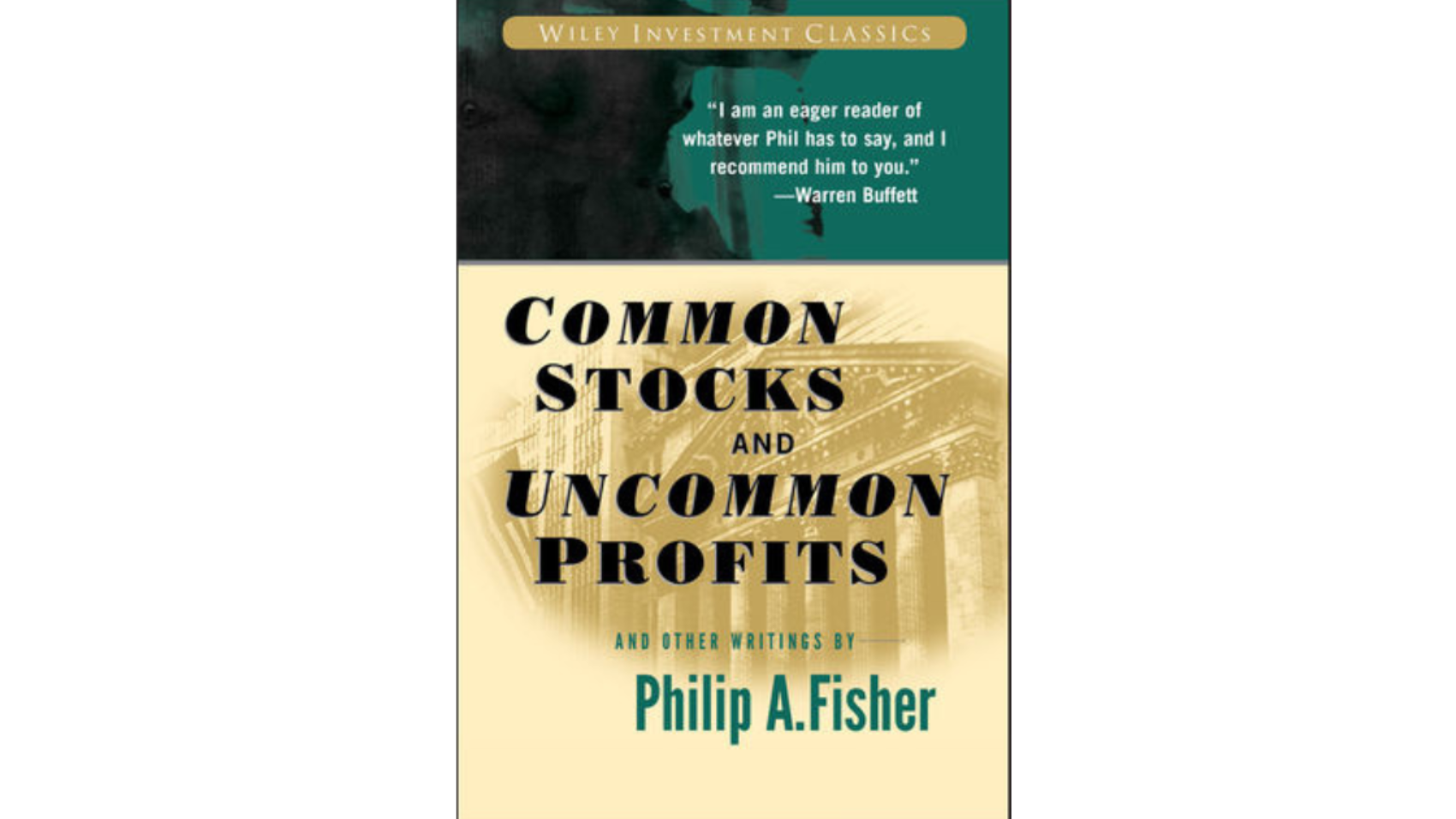
“Common Stocks and Uncommon Profits” by Philip A. Fisher’s

Philip A. Fisher’s classic financial book “Common Stocks and Uncommon Profits” was first published in 1958. The book highlights Fisher’s investment strategy, which is based on extensive research and analysis and focuses on investing in high-quality firms with tremendous growth prospects. Here is a synopsis of the book:

The first section of the book describes Fisher’s investment strategy. In order to find high-quality companies with tremendous growth potential, he emphasizes the significance of in-depth study and analysis, particularly of a company’s management team and industry dynamics. Fisher also emphasizes the significance of patience and a long-term perspective, since successful investing necessitates long-term commitment to great companies.

The second half of the book explains how to analyze firms and sectors in detail. Fisher suggests gathering information on a company and its competitors from a number of sources, including company papers, trade publications, and industry groups. He also discusses important elements to examine, such as a company’s competitive advantages, potential for growth, and financial soundness.

The book’s third portion focuses on individual businesses such as electronics, pharmaceuticals, and retailing. Fisher delves into the distinct dynamics of each business and highlights key criteria to consider when analyzing organizations in these industries.

Overall, “Common Stocks and Uncommon Profits” offers a thorough examination of Fisher’s investment theory and strategy. While some of the examples and suggestions may be out of date, the book remains a helpful resource for investors looking for high-quality companies with strong development prospects.

The Book in 3 Sentences

Philip A. Fisher’s investment book “Common Stocks and Uncommon Profits”

  • The book emphasizes the need of conducting extensive study and analysis in order to uncover high-quality companies with significant growth potential.
  •  Fisher offers advice on how to analyze firms and industries, as well as insights into specific industries like electronics, medicines, and retailing.

Impressions


The most common impressions from “Common Stocks and Uncommon Profits” are:

  1. Fisher’s investment philosophy emphasizes the importance of in-depth research and analysis, particularly of a company’s management team and industry dynamics, in order to identify high-quality companies with strong growth potential.
  2. Fisher’s approach to investing focuses on the long-term holding of quality companies with strong competitive advantages and growth potential.
  3. The book provides practical guidance on how to analyze companies and industries, including key factors to consider and recommended sources of information.

How I Discovered It

I discovered “Common Stocks and Uncommon Profits” through word of mouth recommendations from other financial professionals. The book has been widely read and recommended by investors.

Who Should Read It?

“Common Stocks and Uncommon Profits” is a highly regarded investment book that offers practical guidance and insights into investing in the stock market. The book is well-suited for anyone interested in long-term investing, including:

  1. Individual investors who want to learn how to identify high-quality companies with strong growth potential.
  2. Financial professionals who want to gain insights into the investment philosophy and strategies of Philip A. Fisher, a highly respected investor.
  3. Students and academics who are interested in the principles of fundamental analysis and value investing.

How the Book Changed Me

After reading “Common Stocks and Uncommon Profits”, I changed in several ways:

  1. I developed a deeper appreciation for the importance of in-depth research and analysis when evaluating potential investments.
  2. I gained a greater understanding of the principles of fundamental analysis and value investing, and how to apply them in my investment decisions.
  3. I became a more disciplined and patient investor, focusing on the long-term potential of quality companies with strong competitive advantages and growth potential.

My Top Quotes

  1. “The stock market is filled with individuals who know the price of everything, but the value of nothing.”
  2. “The stock market is not a way to get rich quickly. The stock market is a way to get rich slowly.”
  3. “Conservative investors sleep well.”
  4. “The most successful investor of all time is Warren Buffett. What sets him apart from other investors is his ability to pick winners and let them run.”
  5. “The stock market is a giant distraction to the business of investing.”
  6. “The stock market is a place where you can buy pieces of great businesses at fair prices.”
  7. “The best time to buy a stock is when it’s undervalued by the market.”
  8. “Investing is most intelligent when it is most businesslike.”
  9. “Invest in companies with long-term growth potential and avoid those that are merely popular or fashionable.”
  10. “The investor who has the best information has the best chance of making a profit.”

Detailed Notes//Key Topics

Here are some of the key topics covered in “Common Stocks and Uncommon Profits” by Philip A. Fisher:

  1. Qualitative analysis: Fisher emphasizes the importance of analyzing a company’s qualitative factors, such as its management, competitive advantages, and growth potential, rather than just focusing on its financial statements.
  2. Long-term investing: Fisher advocates for a long-term investing approach, as he believes that investing in companies with strong growth potential can lead to significant returns over time.
  3. The importance of research: Fisher emphasizes the importance of conducting thorough research before investing in a company, including visiting its facilities, meeting with its management team, and talking to its customers and suppliers.
  4. Investing in growth companies: Fisher believes that investing in companies with strong growth potential is the key to successful investing, as these companies can increase their earnings and dividends over time.
  5. Diversification: Fisher suggests that investors should diversify their portfolios by investing in a range of different industries and companies to reduce their overall risk.
  6. The role of the stock market: Fisher believes that the stock market can be a distraction to the business of investing and that investors should focus on the underlying fundamentals of the companies they invest in rather than on short-term market fluctuations.
Untitled-design-22

“Business Adventures” by Journalist and author John Brooks

The anthology “Business Adventures” contains twelve tales about significant occurrences in the history of American commerce and finance. The pieces were written by journalist and author John Brooks and were first published in The New Yorker magazine between 1958 and 1968.

Although each tale in the collection focuses on a different subject, they all have as their common thread an examination of American business and financial dynamics. The stories offer insights into the people and systems that make up the Wall Street world, and they range from a profile of a well-known CEO to a description of a stock market disaster.

The importance of innovation and technology in business, the value of risk management and financial planning, and the effects of greed and corruption on the business world are a few of the major issues covered in the book

Overall, “Business Adventures” is a classic that has stood the test of time and gives readers an intriguing glimpse into the world of American commerce and money. The tales are interesting and instructive, and they provide insights that are just as applicable now as they were when they were first written.

The Book in 3 Sentences

  1. Journalist John Brooks’ book “Business Adventures” is a compilation of twelve tales about significant occurrences in the history of American commerce and finance.
  2. The stories explore topics like leadership, creativity, risk management, and greed while providing insights into the people and systems that make up the Wall Street environment.
  3. The book is a classic that has stood the test of time and offers readers a fascinating view into the world of American business and money. It also offers insights that are just as applicable today as they were when the stories were first published.

Impressions

Here are some common impressions from “Business Adventures” by John Brooks:

1.   Insightful: The book provides deep insights into the world of American business and finance, offering people a behind-the-scenes look at the events and people that have shaped this world.

2.   Engaging: The stories in the book are well-written and engaging, making it an enjoyable read for both business professionals and casual readers.

3.   Timeless: Despite being written in the 1950s and 1960s, the stories in “Business Adventures” remain relevant today, as many of the issues and challenges faced by businesses and investors are timeless.

4.   Educational: The book is highly educational, providing people with a wealth of information about finance, business strategy, and leadership. 5.   Varied: The stories cover a wide range of topics, from the rise and fall of individual companies to the impact of market crashes on the wider economy, providing readers with a diverse and interesting set of stories.

How I Discovered It

“Business Adventures” by John Brooks has gained popularity through word-of-mouth recommendations, as well as through mentions and references by notable business leaders and authors. I discovered the book while researching business and finance topics. Additionally, the book is recommended by Microsoft founder Bill Gates, who has recommended it as one of his favorite books on business and investing

Untitled-design-23

“Buffetology: The Previously Unexplained Techniques That Have Made Warren Buffett the World’s Most Famous Investor” by Mary Buffet and David Clark’s

Mary Buffet and David Clark’s book “Buffetology: The Previously Unexplained Techniques That Have Made Warren Buffett the World’s Most Famous Investor” dives into the investment philosophies and techniques of well-known investor Warren Buffett. The book’s synopsis is as follows:

The goal of “Buffetology” is to identify the crucial investing strategies and perceptions that have facilitated Warren Buffett’s extraordinary level of financial success. The book offers helpful advice and tactics that may be used to make one’s own financial decisions, giving readers a thorough understanding of Buffett’s investing philosophy.

The authors stress the value of long-term value investment and highlight the need to concentrate on businesses with solid foundations and competitive advantages. They look into Buffett’s idea of “The Tenets of Buffetology,” which covers ideas like picking companies with steady profits, looking for ones with a long-lasting competitive edge, and determining a company’s intrinsic worth.

The importance of comprehending a company’s financial statements, examining important financial measures, and assessing management’s track record are all covered in the book. It provides insights into Buffett’s method of stock analysis, particularly his focus on a company’s moat, earnings growth potential, and margin of safety.

The term “The Four Ms” refers to moat, management, and margin of safety, which are important factors in Buffett’s investing selections. “Buffetology” also explores this idea. These ideas are well explained by the writers, along with how they help find investments with long-term development potential.

Real-world examples and case studies are utilized frequently in the book to show how Buffett’s investment concepts might be used in different market conditions. The writers also provide advice on creating a profitable investment portfolio and highlight typical mistakes to avoid.

By the end of “Buffetology,” readers will have gained important insights into Warren Buffett’s approach to investing, understanding how to recognize companies that have significant competitive advantages, evaluate intrinsic value, and make wise investment choices. For those looking to adopt Buffett’s investment strategies in order to attain long-term financial success, the book offers a thorough guide.

The Book in 3 Sentences

1. Warren Buffett’s Investment Strategies “Buffetology” offers insights into Buffett’s investment strategies, emphasizing long-term value investing and concentrating on companies with stable profitability and long-lasting competitive advantages.

2. The Tenets of Buffetology: The book lays out Buffett’s main tenets, such as assessing a company’s underlying value, comprehending financial records, and examining management’s track record. In making investment decisions, it emphasizes the significance of moats, profit growth, and margins of safety.

3. Practical Application: “Buffetology” illustrates how to use Buffett’s investment concepts in various market scenarios through case studies and real-world examples. It provides readers with the information and methods necessary to create a profitable investment portfolio.

Impressions

1. Insight into Warren Buffett’s Investment Strategies: Appreciate the book for providing a detailed exploration of Warren Buffett’s investment techniques. Gain valuable insights into his approach to value investing, identifying companies with competitive advantages, and assessing intrinsic value.

2. Practical Guidance for Individual Investors: Many find the book helpful for its practical guidance on applying Buffett’s principles to their own investment decisions. Appreciate the explanations of financial statements, analysis of key ratios, and case studies that help understand how to evaluate companies and make informed investment choices.

3. Emphasis on Long-Term Investing and Patience: “Buffetology” often leaves you with a renewed appreciation for long-term investing and the importance of patience in the investment process. You learn to focus on the underlying value of businesses rather than short-term market fluctuations, gaining a perspective that aligns with Buffett’s renowned investment philosophy.

4. Clarity in Investment Concepts: The book has to be praised for its clear explanations of investment concepts and terminology. Appreciate how it breaks down complex ideas into digestible information, making it accessible even to those without extensive financial backgrounds.

5. Inspiration and Motivation: Many find “Buffetology” inspiring, as it showcases the success of Warren Buffett and offers a roadmap for individuals seeking to achieve financial success through investing. The book often motivates you to take a disciplined and thoughtful approach to your own investment journeys.

How I Discovered It


There are several common ways through which people may discover “Buffetology” by Mary Buffet and David Clark, I discovered it as I was looking to find out what Warren Buffets investment strategy was and hence found it online.

Untitled-design-24

“Beating the Street” by Peter Lynch

Peter Lynch, a well-known investor, wrote a book called “Beating the Street” that was released in 1993. In addition to offering guidance on how ordinary investors should manage the stock market, the book offers insights into Lynch’s successful investment tactics. Despite the fact that I am unable to access the book’s exact material, the following is a basic summary of the major themes and concepts commonly discussed in “Beating the Street”:

1. Lynch’s investment philosophies: Peter Lynch discusses his investment philosophies, highlighting the value of doing extensive study, comprehending businesses, and investing in what you are familiar with. He advocates the premise that by concentrating on their areas of expertise, individual investors can outperform institutional investors.

2. Finding investment opportunities: Lynch talks about how he finds opportunities for investments, emphasizing observation of daily life, knowledge of consumer patterns, and the ability to recognize prospective investment ideas from personal experiences.

3. The need of conducting thorough research: Lynch stresses the necessity for investors to conduct thorough research and comprehend the fundamentals of the businesses they invest in. Analyzing financial statements, evaluating management teams, and determining competitive advantages are all part of this.

4. Different stock kinds: The book examines several stock types, including slow-growing stocks, fast-growing stocks, cyclical stocks, turnaround firms, and asset plays. Lynch offers advice on how to recognize and approach each category while taking into account its special traits and potential benefits and hazards.

5. Investment blunders and lessons learned: Lynch discusses his personal investment blunders and offers insightful advice. He emphasizes how critical it is to learn from mistakes and modify investment plans accordingly.

6. Long-term investing: Lynch encourages long-term investment and discourages short-term speculation or attempts to time the market. In order to build long-term wealth, he advises having patience and the capacity to bear short-term changes.

7. Case studies and success stories: Lynch’s own experiences as the manager of the Fidelity Magellan Fund are used as case studies and success stories throughout the book. His financial philosophies are illustrated by these real-world examples, which also offer helpful advice on how to make profitable investments.

The Book in 3 Sentences

1. Investment philosophies: Peter Lynch discusses his investment philosophies, emphasizing the value of extensive study, investing in what you are familiar with, and using one’s own observations and experiences to spot investment opportunities.

2. Due diligence and comprehension: Lynch stresses the importance of investors conducting thorough due diligence, examining financial accounts, and comprehending the underlying principles of the businesses they invest in. He emphasizes how crucial it is to evaluate management teams and competitive advantages.

3. Long-term strategy: Lynch advises against short-term speculating and market timing in favor of a long-term investing strategy. He is a firm believer in the ability of persistence and patience to seize the wealth-creating potential of reputable businesses.

Impressions

While I don’t have access to real-time data or the ability to review specific reader impressions, “Beating the Street” by Peter Lynch has generally garnered positive reviews and left readers with several common impressions. Here are some of the most common impressions reported by readers of the book: